

The Arrival of Camera-Ready Shopping Carts
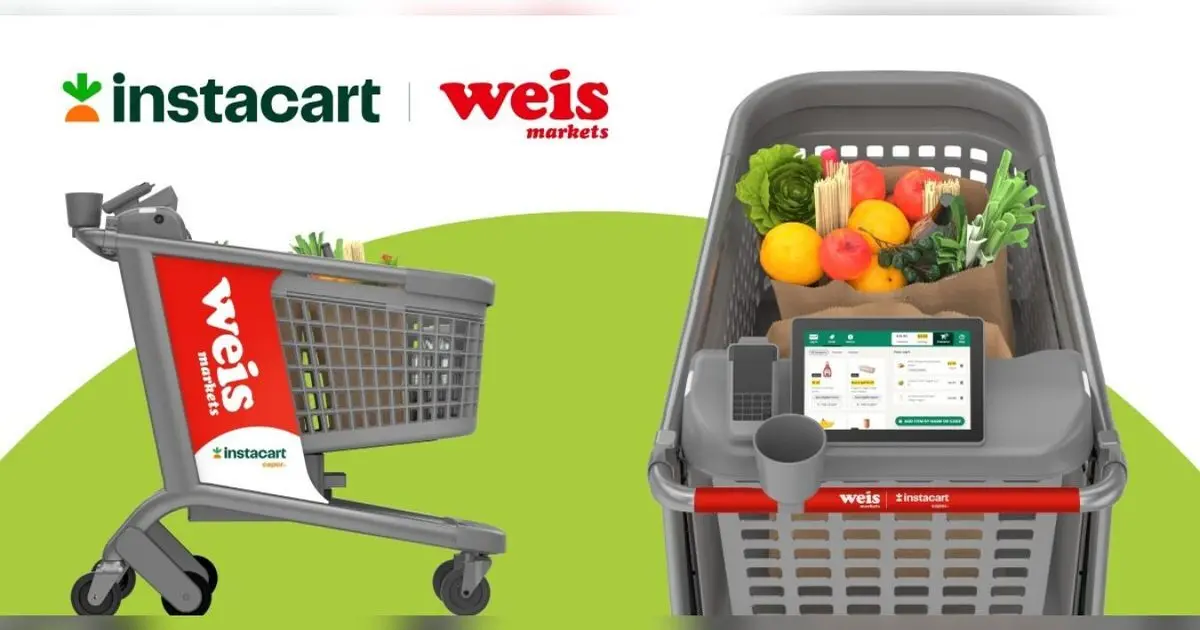
Instacart's AI-powered shopping carts, known as Caper Carts, are now moving into select Weis Markets locations in Pennsylvania, with plans to expand to more stores throughout the year. On the surface, this upgrade appears remarkably convenient: shoppers can see a running total of their purchases, clip digital coupons, redeem loyalty rewards, weigh produce, and even pay directly from the cart without ever waiting in a checkout line. It is a vision of frictionless grocery shopping that promises to save time and reduce hassle.
Yet beneath the streamlined experience lies a sophisticated data-collection platform. Each cart is equipped with basket-facing cameras that watch every item placed inside, outward-facing cameras that track the shopper's movement through the aisles, location-tracking systems, certified scales, touchscreens, and payment terminals. In essence, an ordinary grocery basket is transformed into a rolling sensor hub, constantly recording what you buy, where you go, and how you respond to on-screen prompts.
How Caper Carts Work: A Technical Overview
Caper Carts rely on computer vision, hardware sensors, certified scales, payment tools, and location-aware systems to identify items as shoppers place them into the basket. The built-in scale allows the cart to handle produce and other goods sold by weight, making the checkout process almost entirely cashier-independent. When a shopper drops in a bunch of bananas, the camera recognizes the shape and color, the scale confirms the weight, and the total updates instantly on the touchscreen.
The same setup gives retailers an unprecedented view of what happens before checkout. The system registers every item entering the basket, follows the cart's path through the store, connects the session to a loyalty account, and surfaces personalized offers on the display while the trip is still unfolding. This real-time data can be used to reduce out-of-stocks, optimize store layouts, and tailor promotions to individual shoppers based on their movement patterns and purchase history.
The Privacy and Data Collection Trade-Off
Instacart frames Caper as a way to personalize the store experience, boost sales, and generate new revenue streams through retail media. Shoppers get convenience, but they also leave behind a much richer trail of data: product preferences, movement patterns, loyalty activity, and responses to in-aisle advertisements. The privacy tension is undeniable. The same cameras that help you avoid checkout lines are also watching your every choice, and the location tracking that guides you to a sale also builds a map of your shopping habits.
Weis Markets plans to use on-cart advertising, and Instacart's promotional materials describe aisle-aware promotions, real-time coupons, and retail media placements tied to specific locations in the store. The screen arrives at the critical moment when shoppers are deciding between brands, sizes, and impulse buys. Instacart reports that location-aware prompts have generated nearly a one percentage point average lift in basket size. That statistic reveals the business model without sugar-coating it: the cart functions both as a checkout tool and as an ad panel aimed at customers in motion, effectively turning the shopping experience into a monetizable media channel.
Historical Context and Industry Landscape
Caper Carts are not entirely new. The technology has been deployed in more than 100 cities across 15 states and more than a dozen retail banners, and Instacart says deployments have tripled year over year. The expansion into Weis Markets is just the latest rollout, not an isolated experiment. Competitors like Amazon have also introduced smart carts under the Dash Cart brand, but Instacart's approach emphasizes partnerships with existing retailers rather than proprietary store chains. This strategy allows the company to embed its platform into a wide network of grocery stores without building its own physical footprint.
The concept of smart shopping carts has been evolving for years, from early RFID-based prototypes to today's sophisticated AI systems. Early tests focused mainly on reducing checkout friction, but as hardware costs dropped and computer vision improved, retailers began exploring the additional benefits of real-time data collection. The COVID-19 pandemic accelerated adoption, as contactless payment and reduced human interaction became priorities. Now, the technology is maturing into a core part of the retail infrastructure, promising to reshape how stores operate and how consumers shop.
What Shoppers Should Consider
Despite the privacy concerns, Caper Carts can be genuinely helpful, especially for shoppers who want price visibility and fewer checkout delays. The ability to see a running total helps with budget management, and the integrated payment terminal eliminates time spent in line. For families with children or for those with limited patience for traditional checkout, the convenience is real.
However, the cameras, location systems, ad targeting, and loyalty linking deserve the same skepticism that consumers apply to connected TVs, smartphone apps, and smart speakers. Before logging into a Caper Cart, shoppers should look for the store's published terms regarding cart data usage, loyalty program connections, ad personalization, and location-based offers. The cart may be optional, and using a standard cart or self-checkout is always an alternative. But the trade-off between convenience and privacy is worth reading about before pushing that sensitive data-collecting basket down the aisle.
The rollout at Weis Markets also raises questions about data ownership and sharing. Instacart, as the platform provider, likely gains access to aggregated shopper data that it can use to refine its advertising algorithms or sell insights to brands. Retailers like Weis benefit from increased sales and better inventory management, but the ultimate cost may be paid by shoppers who unknowingly provide a level of detailed behavioral data that was previously impossible to collect at scale.
The Business Model: Retail Media and Personalization
Instacart's Caper materials describe a system where the cart delivers aisle-aware promotions and real-time coupons based on the shopper's exact location. If a customer pauses in the cereal aisle, the screen might display a coupon for a brand that pays for placement. If they linger in the produce section, the system can suggest recipes that include items they have already selected. This level of targeting is made possible by the combination of location tracking, product recognition, and loyalty data, creating a closed loop of advertising and purchasing.
For retailers, the appeal is clear: the carts can lift basket size, reduce out-of-stocks, and generate new revenue from advertising. Instacart reported that deployment of Caper Carts has tripled year over year, indicating strong demand from grocery chains looking to modernize. The ability to turn the shopping cart into a digital advertising channel aligns with broader trends in retail media, where stores like Walmart and Target have built billion-dollar ad businesses from their in-store and online platforms.
But the model also depends on consumer acceptance. If shoppers feel surveilled or bombarded with ads, they may opt out, either by choosing regular carts or by shopping at stores that do not deploy such technology. The initial response from privacy advocates has been cautious, warning that data collected from smart carts could be combined with other sources to build detailed profiles of individuals' habits, dietary preferences, and even health conditions based on the foods they purchase.
Comparisons to Other Smart Cart Technologies
Amazon's Dash Cart, available at Whole Foods and Amazon Fresh stores, uses a similar combination of cameras and sensors to enable grab-and-go shopping. However, Amazon's system ties directly to the customer's Amazon account and credit card, creating a seamless experience for Prime members. Instacart's Caper Carts, by contrast, are designed to integrate with existing loyalty programs and payment methods at partner stores, offering flexibility for shoppers who do not want to link their accounts to a tech giant.
Other companies, such as Veeve and Shopic, have developed clip-on camera systems that attach to standard shopping carts, providing many of the same benefits without requiring an entirely new cart infrastructure. These solutions often cost less and can be deployed faster, but they lack the integrated scale and payment terminal of the Caper Cart. The choice of technology depends on the retailer's budget, store layout, and willingness to adopt a closed ecosystem.
As competition heats up, consumers can expect more options and perhaps more clarity about data practices. Some jurisdictions are already considering regulations that would require retailers to disclose the types of data collected by in-store sensors and to obtain explicit consent before using that data for advertising. California's Consumer Privacy Act (CCPA) and similar laws in other states may provide a framework for reining in the most invasive uses of smart cart technology.
Looking Ahead: The Future of In-Store Data Collection
The expansion of Caper Carts into Weis Markets is part of a larger trend toward data-driven retail. As artificial intelligence and computer vision continue to improve, the cost of embedding sensors into everyday objects will decrease, making systems like these more common. Grocery stores are particularly attractive because they represent a high-frequency, low-margin business where small improvements in basket size or operational efficiency can have significant financial impact.
At the same time, consumer awareness is growing. Surveys show that a majority of shoppers are concerned about how their data is collected and used, especially when it happens in physical spaces where they may not expect constant surveillance. Retailers will need to balance the benefits of personalization with the risk of alienating privacy-conscious customers. Transparent policies, easy opt-out mechanisms, and clear communication about what data is collected and how it is used will be essential to maintaining trust.
For now, shoppers in Pennsylvania who encounter a Caper Cart at their local Weis can decide for themselves whether the convenience of skipping the checkout line is worth the trade-off. The cart remains optional, and the store will still offer traditional checkout lanes. But as deployment multiplies across the country, the choice may become more difficult, and the default experience may shift toward the sensor-rich cart. Understanding the technology and its implications is the first step toward making an informed decision in the modern grocery store.
Instacart and Weis Markets have not released detailed privacy policies specific to the Caper Cart rollout, but general terms for loyalty programs and digital coupons likely apply. Shoppers should check the store's website or ask staff about data collection practices before linking their loyalty accounts to the cart. The device itself may display a privacy notice at the start of the session, but it is easy to tap through without reading. Taking a moment to review the terms could prevent future surprises about how shopping habits are being monetized.
Source: Digital Trends News