

Amazon has drawn an impressive $126 billion (£94bn) in peak demand for its latest bond sale, according to reports released on Tuesday. This figure places the offering among the largest corporate debt sales in history, signaling robust investor confidence in major technology companies even as broader economic conditions remain turbulent. The response highlights the market's willingness to finance Amazon’s aggressive expansion into artificial intelligence (AI) and related infrastructure.
The bond sale is structured in as many as 11 tranches on the U.S. high-grade debt market, with maturities ranging from two to 50 years. Additionally, Amazon is marketing an eight-part euro-denominated bond sale this week, further diversifying its debt instruments across currencies. This multipronged approach allows the company to tap into global liquidity and lock in favorable rates amid shifting interest rate expectations. The company previously raised $15 billion in November 2024—its first U.S. bond issuance in three years—as part of a strategic push to secure low-cost capital for long-term projects.
Amazon’s move comes at a time when the technology sector is increasingly turning to debt markets to fuel capital-intensive AI initiatives. In February 2025, Oracle attracted $129 billion in orders for its own bond sale, while Meta drew $125 billion for its October 2024 offering. These figures underscore a broader trend: tech giants are leveraging their strong credit ratings to access billions of dollars in cheap debt, bypassing equity dilution to fund data centers, custom chip development, and advanced research. Alphabet, Google’s parent company, raised more than $30 billion last month across dollar, sterling, and Swiss franc-denominated bonds, further illustrating the industry’s reliance on borrowing to stay competitive in AI.
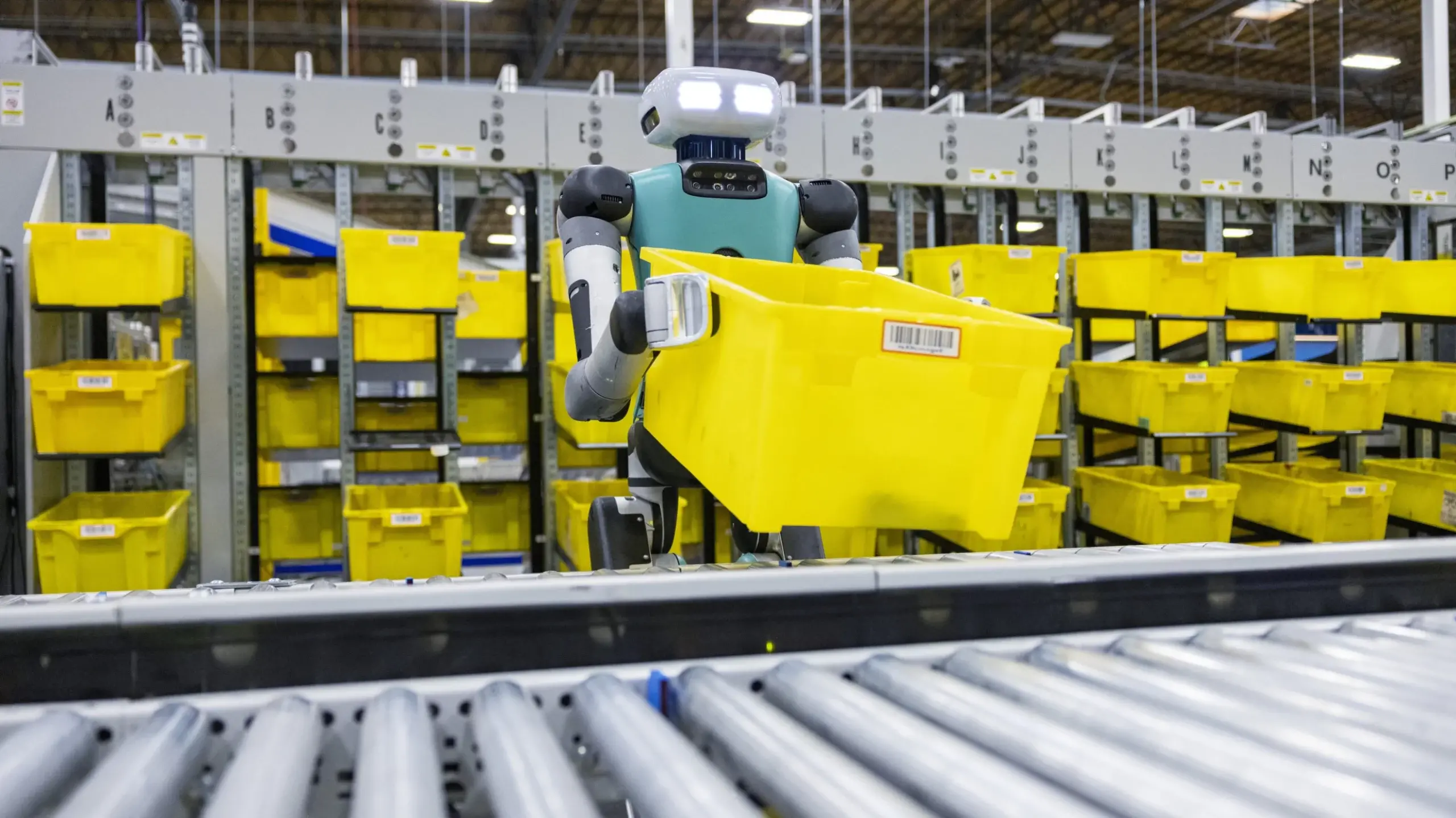
Amazon’s capital expenditure plans are particularly ambitious. In February 2025, the company announced it would spend approximately $200 billion this year on capital expenditures, with the majority directed toward AI infrastructure. This figure surpasses the spending commitments of rivals Google and Microsoft, both of which have also expanded their AI budgets. Amazon CEO Andy Jassy defended the spending during a recent investor call, stating: “We’re going to invest to be the leader in this space.” He cited key priorities including custom AI chips (such as the Trainium and Inferentia processors), robotics for warehouse automation and delivery, and low Earth orbit (LEO) satellites through Project Kuiper, which aims to provide global broadband coverage.
The scale of these investments reflects Amazon’s strategy to integrate AI across its vast ecosystem—from cloud computing (AWS) and e-commerce to logistics and digital assistants. The company’s custom AI chips are designed to reduce dependence on external suppliers like NVIDIA, while LEO satellites promise to bridge connectivity gaps in underserved regions. Robotics, meanwhile, are expected to enhance efficiency in Amazon’s fulfillment centers, cutting costs and delivery times. However, the massive outlays have drawn scrutiny from investors who are seeking clearer returns from what have historically been unprofitable ventures. Amazon’s shares fell in February after the capex announcement, mirroring concerns across the sector that AI spending may not yield immediate profits.
To put Amazon’s bond sale into historical context, the $126 billion in peak demand ranks among the highest ever for a corporate offering. Only a handful of issuers have exceeded this figure, including Oracle’s recent $129 billion and a few telecommunications mega-sales. This level of demand indicates that institutional investors—such as pension funds, insurance companies, and asset managers—view Amazon as a safe credit risk despite the economic headwinds of rising interest rates and geopolitical uncertainties. The bonds are expected to be rated highly (likely AA- or A+ by major agencies), providing a haven for income-seeking portfolios.
Behind the scenes, Amazon’s treasury team has been working with investment banks to structure the deal. The 11 tranches include floating-rate notes and fixed-rate securities, catering to different investor preferences. The eight-part euro tranche taps into European demand, where yields may be relatively lower but offer diversification for international buyers. The success of the sale also reflects a broader market phenomenon: corporate debt yields have become increasingly attractive compared to government bonds, drawing strong subscriptions even as companies borrow heavily.
In the AI race, spending has become a competitive differentiator. Amazon’s $200 billion capex for 2025 dwarfs its previous annual records (about $60-$70 billion in recent years). The company is building new data centers in locations such as Virginia, Ohio, and Singapore, each designed to handle AI workloads that require massive compute power. The custom chips, developed by Amazon’s Annapurna Labs, aim to optimize performance for machine learning training and inference, reducing energy consumption and cost. Meanwhile, Project Kuiper plans to launch over 3,200 satellites by 2029, entering the satellite broadband market against Starlink and OneWeb.
The broader industry context also includes Apple, which is reportedly increasing its AI spending, and Nvidia, whose GPUs remain in high demand. However, Amazon’s debt-financed approach stands out: rather than relying on cash reserves or equity issuance, the company is using leverage to accelerate its AI roadmap. This strategy carries risks, as higher debt levels could strain cash flows if economic conditions deteriorate or if AI investments fail to generate expected returns. Yet for now, the bond market’s warm reception suggests that investors are betting on Amazon’s long-term dominance.
In summary, the $126 billion bond sale marks a pivotal moment for Amazon and the tech industry. It demonstrates how companies are willing to incur debt to secure leadership in AI, even as shareholders demand clarity on profitability. With the proceeds likely to fund data centers, custom silicon, robotics, and satellite networks, Amazon is positioning itself to compete across multiple frontiers—from cloud computing to last-mile delivery. The next few years will reveal whether this debt-fueled strategy pays off, but for now, the bond markets have spoken with unprecedented enthusiasm.
Source: Silicon UK News