

Early Life and Influences
George Andrew Romero was born on February 4, 1940, in New York City, but grew up in the Bronx. His father, a commercial artist, and his mother, a Lithuanian immigrant, encouraged his early interest in drawing and film. Romero attended Carnegie Mellon University in Pittsburgh, where he studied fine arts and began making short films. After college, he co-founded a production company, The Latent Image, with friends, working on commercials and industrial films. This experience honed his low-budget, guerrilla filmmaking style.
Breaking Through with Night of the Living Dead
In 1968, Romero and his collaborators, including writer John Russo and producer Russell Streiner, released Night of the Living Dead. Shot on a shoestring budget of about $114,000, the film was a game-changer. It introduced the modern zombie: slow-moving, flesh-eating, and driven by an insatiable hunger for human flesh. The film's stark black-and-white cinematography, independent casting of African American actor Duane Jones as the lead, and its nihilistic ending were radical for the time. Audiences and critics were stunned. The film grossed millions worldwide and became a cult classic, redefining horror and spawning a subgenre.
The 'Dead' Series and Social Commentary
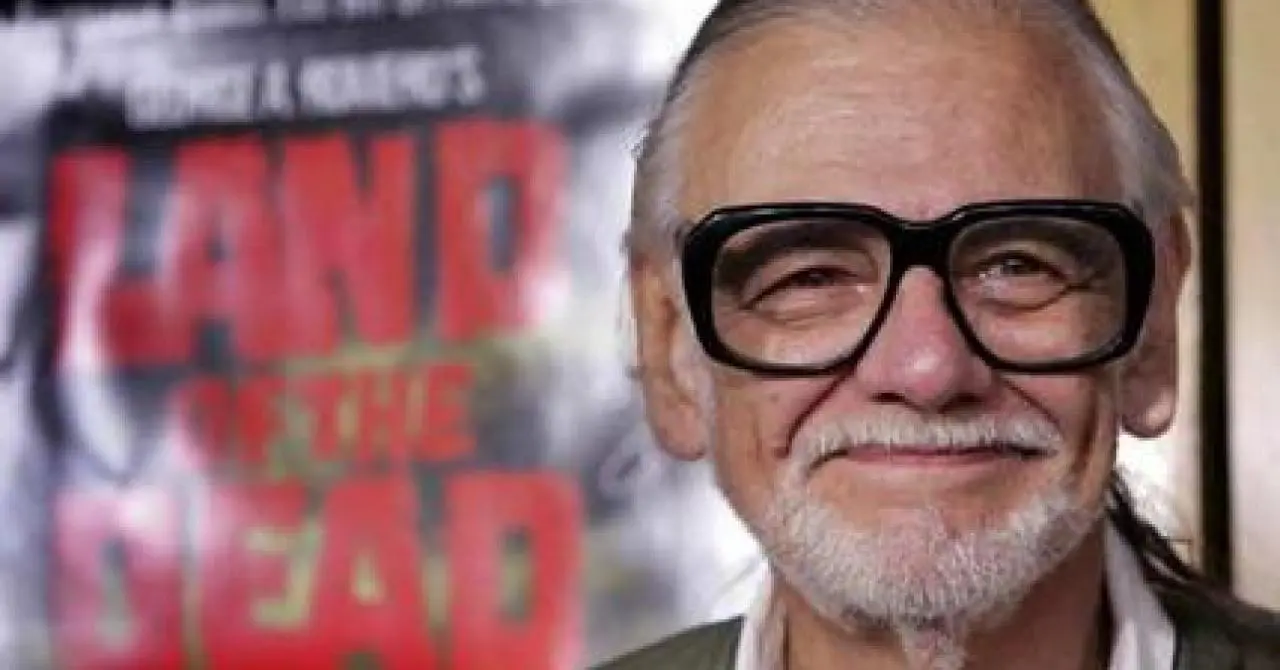
Romero continued his zombie saga over the next four decades. In 1978, he released Dawn of the Dead, a satirical critique of consumerism set in a shopping mall. The film's vivid gore, orchestrated by special effects artist Tom Savini, and its sharp commentary on American materialism made it a landmark. Day of the Dead (1985) explored the conflict between science and militarism in a post-apocalyptic bunker. Land of the Dead (2005) tackled class warfare, with zombies evolving and a wealthy elite hiding in a fortified skyscraper. Diary of the Dead (2007) and Survival of the Dead (2009) continued themes of media, surveillance, and societal breakdown. Each film was a horror allegory for contemporary issues—racism, consumerism, militarism, class division.
Other Notable Works
While the Dead series defines his legacy, Romero directed a wide range of other films. The Crazies (1973) depicted a biological weapon causing madness in a small town, presaging later pandemic films. Martin (1977) was a character study of a troubled young man who may be a vampire, blending psychological realism with horror. Knightriders (1981) was a drama about a medieval-themed motorcycle troupe, showcasing Romero's interest in outsider communities. Creepshow (1982) was a homage to EC Comics, collaborating with Stephen King. Monkey Shines (1988) featured a service monkey turned deadly, and The Dark Half (1993) adapted Stephen King's novel about a writer's violent alter ego. Romero also directed episodes of television series like Tales from the Darkside.
Filmmaking Style and Themes
Romero's style was characterized by a documentary-like realism, even within fantastical horror. He often used local Pittsburgh casts and crews, creating a gritty authenticity. His zombies were slow and inexorable, a stark contrast to the fast zombies popularized later. Thematically, Romero's work consistently critiqued social structures: authoritarianism, media manipulation, consumer culture, racism, and the breakdown of community. His films often feature flawed, ordinary people forced to make moral choices under extreme pressure. The zombies themselves are metaphors—for consumers, for the masses, for the oppressed—but also represent humanity's capacity for mindless destruction.
Legacy and Influence
George A. Romero died on July 16, 2017, at 77, after a battle with lung cancer. His impact on popular culture is immeasurable. The modern zombie genre—from The Walking Dead to countless films, games, and books—owes its existence to Romero's vision. He was inducted into the Horror Hall of Fame, and his work is studied in film schools for its genre innovation and cultural commentary. Romero's zombies are not just monsters; they are reflections of societal fears. His independent, auteur-driven approach inspired generations of filmmakers to tell their own stories within genre constraints. Even decades after his first film, Romero's undead continue to walk, reminding us of our own fragility and the horrors we create for ourselves.
Romero's legacy extends beyond film. He influenced literature, with authors like Max Brooks (World War Z) citing him. Video games like Resident Evil and Left 4 Dead incorporate Romero's zombie lore. His films have been preserved by the Library of Congress. Despite his passing, his voice remains relevant: each new crisis—pandemics, political unrest, environmental collapse—finds a resonance in his work. Romero taught us that horror can be intelligent, subversive, and deeply human.
Source: Premiere.fr News