

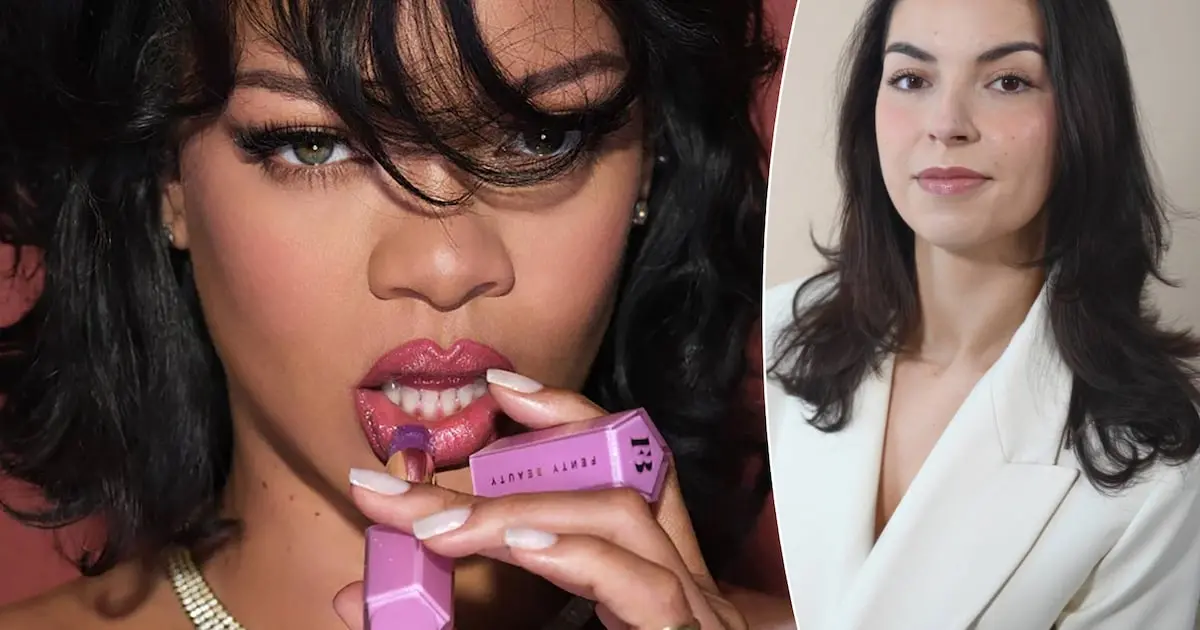
In 2017, when Rihanna launched her makeup line Fenty Beauty, she did something unprecedented: she released 40 shades of foundation. This bold move not only filled a glaring gap in the market but also forced the entire beauty industry to rethink its approach to diversity. The cultural ripple effect was immediate, with other brands scrambling to expand their shade ranges and address long-standing exclusionary practices.
The Genesis of a Beauty Revolution
Before Fenty Beauty, inclusivity in cosmetics was largely a niche concept. While a few high-end brands like MAC, Bobbi Brown, and Make Up For Ever offered diverse shades, mainstream retailers and luxury houses lagged behind. Dark-skin tones, as well as Indian and mixed-race complexions, were routinely ignored. Rihanna, then a global pop icon, saw an opportunity to disrupt the status quo. Her partnership with LVMH and its incubator Kendo provided the capital, distribution network, and product development expertise needed to launch a brand with true global reach.
The strategy was simple yet powerful: Rihanna brought cultural credibility, desirability, and a loyal fanbase, while LVMH provided the financial muscle and operational know-how. This synergy resulted in a launch that generated hundreds of millions of dollars in sales within weeks. The marketing campaign featured diverse models and emphasized visibility over vague promises of inclusivity. Fenty didn't just claim to be for everyone—it proved it through product offerings and representation.
Cultural Disruption vs. Product Innovation
While Fenty's impact on culture was undeniable, its actual product formulations have drawn mixed reviews from experts. The foundation, for example, is praised for its buildable coverage, velvety finish, and longevity, making it ideal for oily and combination skin. However, its heavy fragrance can irritate sensitive skin. Similarly, the iconic Gloss Bomb is loved for its sensory experience—shiny, smooth, and hydrating—but it relies on standard emollients rather than breakthrough ingredients.
Where Fenty truly fell short is in its skincare line, launched in 2020. The market was already crowded with effective, affordable options from Korean beauty brands, and Fenty Skin offered little novelty. Products like the Instant Reset Toner and Strawberry Smooth BHA Toner were criticized for containing unnecessary additives like menthol lactate, fragrance, and colorants that can sensitize the skin. The cult-favorite Total Cleansr was deemed overpriced for its basic formulation. As a result, the skincare range failed to capture the same cultural lightning as the makeup line.
The Rise and Plateau
Fenty Beauty's first few years were a triumph. The brand expanded into highlighters, glosses, concealers, and more, each product launch generating viral buzz. Rihanna's own image—a strong, multifaceted woman of color—remained central to the brand's identity. She was the embodiment of cool, and Fenty capitalized on that mystique.
But by 2024, the honeymoon period began to wane. Competitors had successfully incorporated inclusivity into their core offering, making it a norm rather than a differentiator. Celebrity beauty brands multiplied, saturating the market. Fenty's social media presence became less coherent, chasing viral trends rather than setting them. The brand lost its narrative edge. Once the pacesetter, Fenty now plays catch-up in a landscape it helped create.
Product Analysis: Hits and Misses
Expert opinion on Fenty's key products:
- Pro Filt'r Soft Matte Foundation: A solid performer for combo/oily skin with good wear time. Formula includes skin-conditioning ingredients, but fragrance may irritate. Alternatives: Huda Beauty FauxFilter, Nars Soft Matte Complete.
- Gloss Bomb Cream: Excellent texture with high shine and moderate hydration. Contains vitamin C derivative and peptides. Affordable price point. Alternatives: Dior Lip Maximizer, Lancôme Juicy Gloss.
- Instant Reset Toner: Hydrating but overly rich for acne-prone skin due to coconut oil. Not innovative. Alternatives: Haru Haru Wonder Black Rice Toner, Laneige Skin Refiner.
- Strawberry Smooth BHA Toner: Contains menthol lactate for a cooling effect, which may be unnecessary for exfoliation. Heavy fragrance and colorants. Not recommended. Alternatives: Anua BHA 2% Toner, Paula's Choice BHA.
The Legacy of Fenty Beauty
Nearly a decade after its launch, Fenty Beauty's greatest contribution remains cultural. It normalized inclusivity as a baseline expectation rather than a competitive advantage. It forced major brands like Dior, Estée Lauder, and L'Oréal to expand their shade ranges and increase diversity in campaigns. However, the brand's own innovation pipeline has slowed. The makeup line remains solid, but the skincare venture failed to disrupt. Fenty's future may depend on whether it can recapture its pioneering spirit—through novel product formulations, re-engagement with its community, and a return to bold, trend-setting marketing.
As beauty expert Leïla Poleszczuk notes, 'Fenty Beauty arrived at the perfect moment, addressed a real need, and capitalized on an iconic personality. But we're talking more about a cultural disruption than a product disruption. The brand shook up the industry by what it represented, not through revolutionary formulas.' This nuanced legacy—of setting a standard while struggling to maintain it—may define Fenty's place in beauty history.
Source: 7sur7.be News