

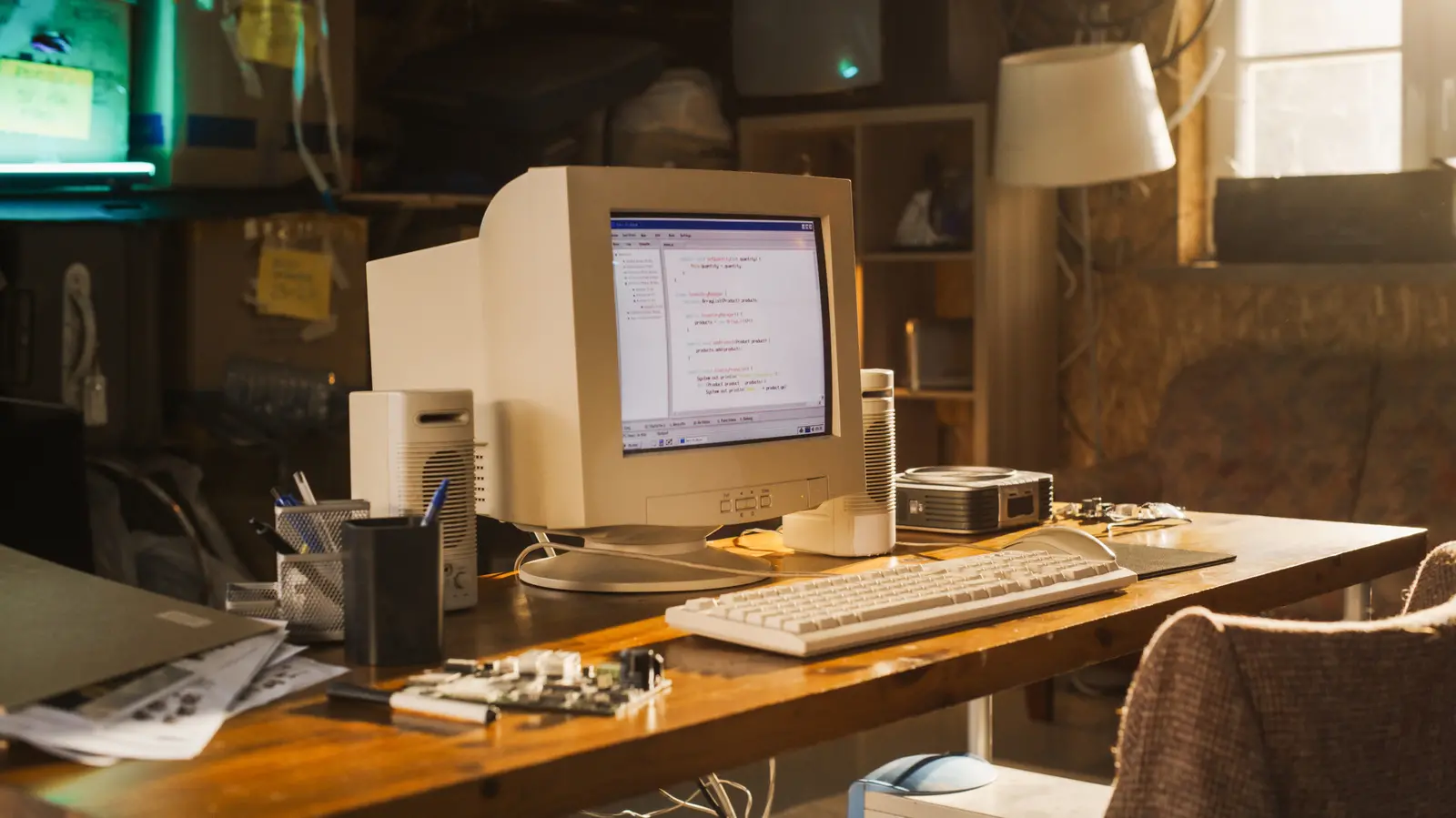
More than four decades have passed since Microsoft released Windows 1.0 in 1985. In that time, the operating system has evolved from a graphical shell layered over MS-DOS into a vast platform that powers desktops, laptops, tablets, and hybrid devices. Along the way, countless features, apps, and utilities have come and gone. Some were replaced by better tools. Others simply fell out of step with how people use computers. For longtime users, a handful of these retired features still trigger strong feelings of nostalgia.
What follows is a look at five forgotten corners of Windows history: Windows Media Center and Movie Maker, the classic games 3D Pinball, Minesweeper, and Solitaire; the ambitious but short-lived Microsoft Bob; the file-syncing Briefcase; and Steps Recorder, a troubleshooting tool that is still present in Windows 11 but is being phased out. Each one tells a story about what Windows once was—and why the modern operating system no longer needs it.
Key Facts at a Glance
- Windows 1.0 arrived in 1985, making the platform more than 40 years old.
- Windows Media Center began as an exclusive feature of Windows XP Media Center Edition and was removed in Windows 10.
- Windows Movie Maker was discontinued in 2017, though the original app can still be run on Windows 10 and Windows 11 with unofficial downloads.
- 3D Pinball was dropped in Windows Vista after porting problems to 64-bit Windows; newer versions of Minesweeper and Solitaire remain available through the Microsoft Store.
- Microsoft Bob was released in 1995 for Windows 3.1 and discontinued in 1996.
- Briefcase was deprecated in Windows 8 and removed in Windows 10.
- Steps Recorder was introduced in Windows 7, still appears in Windows 11, but Microsoft announced in 2023 that it would stop actively updating it.
Windows Media Center and Movie Maker
Two multimedia apps from the past top the list: Windows Media Center and Windows Movie Maker. They belonged to an era when Windows tried to be the center of the living room, the family PC, and the home office all at once.
Windows Media Center
Windows Media Center first appeared as an exclusive feature in Windows XP Media Center Edition. It was designed as a one-stop hub for photos, videos, music, movies, and live TV. A user could browse a personal media library, play a DVD, schedule recordings with a TV tuner, and navigate everything with a remote control. It was not a feature that every Windows user touched, but those who did often built their entire home entertainment setup around it.
As streaming services grew more popular and simpler alternatives emerged, Media Center lost its relevance. Microsoft removed it from Windows 10, ending its run as a built-in Windows component. The app's decline reflected a broader shift: people no longer wanted to manage local media libraries in a dedicated Windows app. They wanted on-demand streaming, and Windows no longer needed to be the hub.
Windows Movie Maker
Windows Movie Maker was another familiar presence on older Windows installations. It offered a simple, approachable video editor at a time when video editing software was often expensive and complicated. Users could import clips, trim them, add transitions, insert music, and export a finished movie without much technical knowledge. Its simplicity was its greatest strength.
Microsoft discontinued Movie Maker in 2017. The company's initial replacement, Microsoft Photos Video Editor, never captured the same audience. Later, Clipchamp became the default video editor in Windows. The original Movie Maker can still be downloaded and run unofficially on Windows 10 and Windows 11, but because it is no longer officially supported, users may encounter occasional issues. Microsoft has also warned against downloading it from third-party websites.
3D Pinball, Minesweeper, and Solitaire
Before social media, streaming video, and endless browser tabs, built-in Windows games filled spare moments. Three titles stood above the rest: 3D Pinball, Minesweeper, and Solitaire. They were simple, instantly playable, and installed by default on millions of machines.
3D Pinball
3D Pinball: Space Cadet is perhaps the biggest nostalgia trigger of the group. Its table, sound effects, and physics gave users a quick arcade-style break without leaving the desktop. Microsoft dropped the game in Windows Vista after running into problems porting it to 64-bit Windows. The original code had been written by another company, and a bug proved difficult to fix. Rather than invest more resources, Microsoft removed the game entirely. Even so, browser-based versions and unofficial ports have kept 3D Pinball alive for devoted fans.
Minesweeper and Solitaire
Minesweeper and Solitaire never fully disappeared. They evolved into modern versions available through the Microsoft Store. Solitaire, in particular, became a phenomenon that introduced many users to the mouse and graphical interfaces. Minesweeper taught basic pattern recognition and risk assessment, though most players probably thought of it only as a casual distraction. The original versions had a minimalist charm that newer editions have tried to recapture with updated visuals and additional features.
The popularity of these games came from their accessibility. In the 1990s and early 2000s, many computers were not yet used for constant web browsing or streaming. A quick game of Minesweeper or Solitaire was a natural way to pass five or ten minutes. That era is gone, but the games remain part of Windows folklore.
Microsoft Bob
Microsoft Bob is often remembered as one of Microsoft's most famous missteps. Released in 1995 for Windows 3.1, it was discontinued in 1996, lasting less than a year. The idea behind it was straightforward: make Windows less intimidating for newcomers by replacing the standard desktop with a virtual house. Users clicked on objects in rooms to open programs and utilities. Clicking a clock opened the Windows Clock, for example. Users could add rooms and customize the environment.
Despite its ambition, Microsoft Bob failed to catch on. Critics found the interface childish and poorly suited to adult users. Simple actions sometimes required multiple clicks, and the software presented too much information at once. For someone trying to learn Windows, the virtual house could be more distracting than helpful. Microsoft eventually shelved the product, but its spirit arguably lived on in later assistants such as Clippy, Cortana, and Copilot. The dream of a friendlier, more guided Windows experience never completely vanished.
Briefcase
Briefcase was a practical feature that existed in Windows until Windows 7 and was removed in Windows 10. It looked like a folder, but it served a specific purpose: synchronizing files between a computer and a portable storage device. In an age before ubiquitous high-speed internet and cloud storage, people often worked on more than one computer—one at home, another at school or the office. Briefcase allowed them to keep files in sync without repeatedly copying and pasting.
The rise of cloud services such as Dropbox, OneDrive, and Google Drive made Briefcase obsolete. Cloud storage synchronizes files in real time across multiple devices, eliminating the need for manual transfers. Microsoft deprecated Briefcase in Windows 8 and removed it in Windows 10. For users who remember it, though, Briefcase was an innovative solution to a problem that once defined personal computing.
Steps Recorder
Steps Recorder is the only feature on this list that still exists in Windows 11, though Microsoft has been gradually phasing it out. Introduced in Windows 7, Steps Recorder captures on-screen actions for troubleshooting. It records screenshots of each step a user takes and adds descriptive text explaining what happened. That record can then be shared with support teams, who can recreate the problem and help fix it.
The tool was simple and effective: launch it, reproduce the issue, and send the generated file to someone who could help. Over time, better options emerged. Snipping Tool can now capture video of the entire screen, which is often more convenient than reviewing a Steps Recorder file. In 2023, Microsoft announced that it would stop actively updating Steps Recorder. The tool still appears in Windows 11, but users may see a banner suggesting alternatives because it is being phased out.
Steps Recorder illustrates how Windows features are deprecated. A utility that once solved a real problem can become redundant when newer tools offer faster and more flexible ways to do the same job. For users who grew up with earlier versions of Windows, that transition is both practical and bittersweet. The feature may still be there for now, but its days are clearly numbered.
Source: SlashGear News