

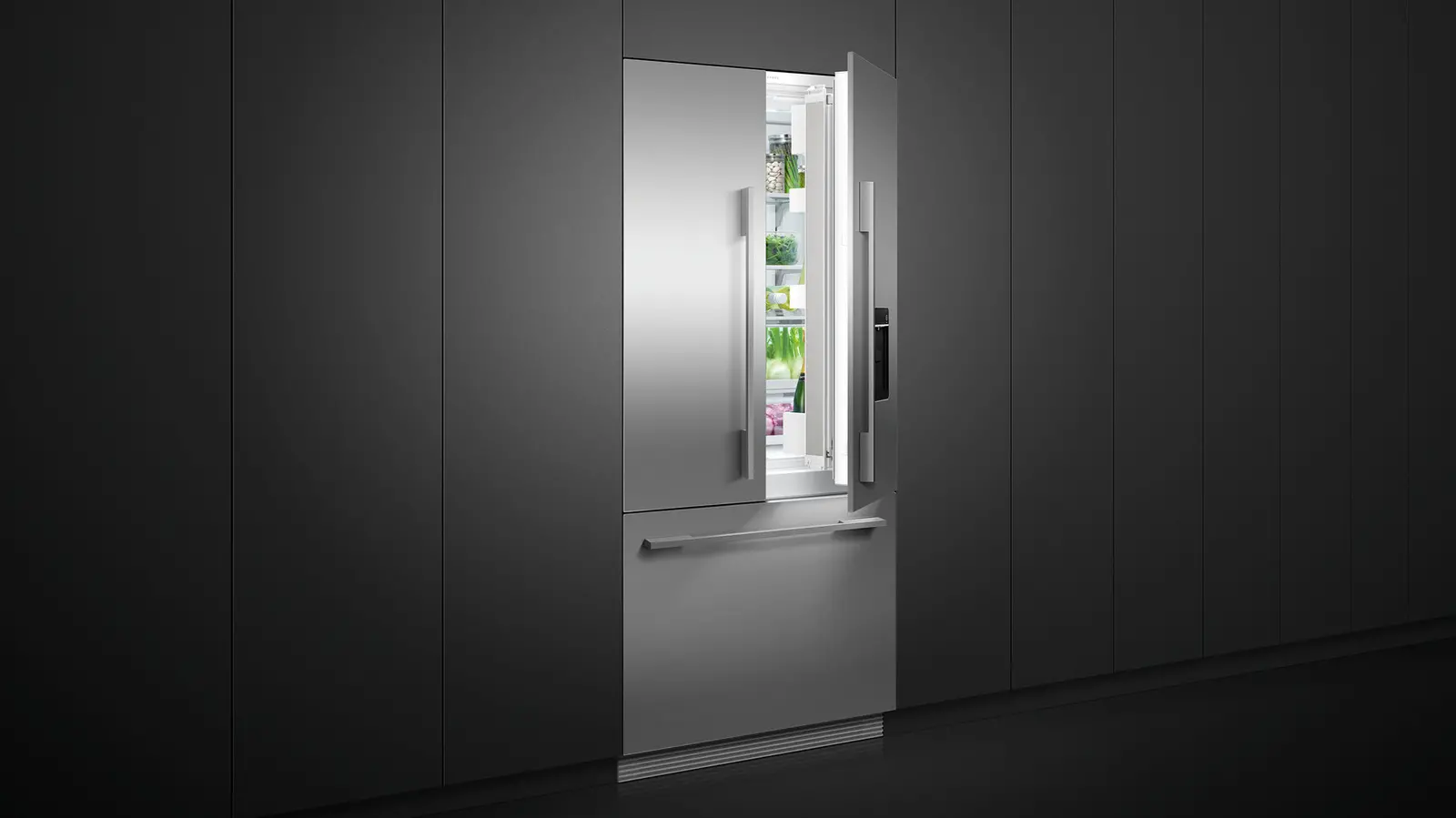
When an appliance like a refrigerator breaks, the first decision is whether to repair or replace it. Choosing replacement means navigating a crowded market filled with familiar and new manufacturers. One brand that stands out is Fisher & Paykel, a historic name in the appliance industry known for its premium refrigerators. Understanding who owns the company and where its products are made can help consumers make informed choices.
History of Fisher & Paykel
Fisher & Paykel was founded in 1934 in Auckland, New Zealand, by Maurice Paykel and Woolf Fisher. The pair began by importing refrigerators and other household appliances into New Zealand, which at the time relied heavily on overseas manufacturing. However, when the New Zealand government imposed import restrictions to protect local industries, Fisher & Paykel shifted strategy. The company secured licenses to manufacture appliances domestically, initially building products under brands like Kelvinator and eventually developing its own original designs.
Throughout the mid-20th century, Fisher & Paykel grew into a leading appliance manufacturer in New Zealand and Australia, expanding its lineup to include washing machines, dishwashers, ovens, and cooktops. The company became known for innovative features, such as the SmartDrive washing machine technology and the ActiveSmart refrigerator system. By the 1990s, Fisher & Paykel had established a strong presence in the United States, focusing on high-end, design-forward products that appealed to architects and interior designers.
The brand's reputation for quality and durability allowed it to command premium prices. However, the global financial crisis and increasing competition from Asian manufacturers put pressure on the independent company. In 2012, Fisher & Paykel Appliances was acquired by Haier Group, a Chinese electronics and home appliance conglomerate.
Acquisition by Haier Group
Haier Group was founded in 1984 in Qingdao, China, by Zhang Ruimin. Starting as a nearly bankrupt refrigerator factory, Haier transformed into one of the world's largest appliance manufacturers through aggressive expansion and acquisition. The company is known for its innovative management philosophy and focus on customer-centric product development. Haier's portfolio includes brands such as GE Appliances (acquired in 2016), Candy, Casarte, and Leader, making it a global powerhouse in white goods.
The acquisition of Fisher & Paykel in 2012 was part of Haier's strategy to strengthen its position in the premium appliance segment, particularly in Oceania and North America. Following the purchase, Fisher & Paykel continued to operate as a distinct brand, retaining its design and engineering heritage while benefiting from Haier's manufacturing scale and supply chain. The company's headquarters remain in Auckland, New Zealand, for its regional operations, but the parent company oversees global strategy from Qingdao.
Today, Haier Group holds the majority stake in Fisher & Paykel Appliances Holdings Ltd., which is listed on the New Zealand Stock Exchange but effectively controlled by the Chinese parent. This ownership structure has allowed Fisher & Paykel to access cheaper manufacturing resources while maintaining its brand identity.
Manufacturing Locations
Many consumers wonder where Fisher & Paykel refrigerators are made. The company has manufacturing facilities in multiple countries, including China, Italy, Mexico, and Thailand. Each factory specializes in different product lines and serves regional markets.
In China, Haier's large-scale plants produce many of Fisher & Paykel's entry-level and mid-range refrigerators, particularly for the Asian and North American markets. The Italian facility, located in Canale d’Agordo, manufactures higher-end built-in and column refrigerators intended for European and luxury global markets. This factory benefits from local expertise in precision metalworking and design, aligning with Italian artisanal traditions.
The Mexico plant, situated in San Luis Potosí, primarily produces French-door refrigerators and bottom-freezer models for the North American market. Being closer to the United States reduces shipping times and logistics costs. Meanwhile, the Thailand factory focuses on washing machines and dishwashers, but also produces some small refrigerators and wine coolers for the Asian-Pacific region.
This global manufacturing footprint allows Fisher & Paykel to optimize production costs while offering a wide range of products tailored to different markets. However, it also means that the "Made in" label varies by model, so consumers should check the specific product details to know the exact origin.
Product Lineup and Features
In the United States, Fisher & Paykel offers a comprehensive range of refrigerators targeting the upper end of the market. The lineup includes column refrigerators, French-door models, bottom-freezer units, and specialty wine refrigerators. There are also undercounter refrigerators and freezers designed for kitchens, bar areas, and outdoor spaces.
Column refrigerators allow for customized kitchen layouts, with separate tall units for refrigeration and freezing that can be installed side by side or separately. French-door models feature wide shelves and bottom freezers, often with dual drawers for flexible storage. Bottom-freezer refrigerators offer easy access to fresh food at eye level, while wine refrigerators hold bottles at optimal temperatures with UV-protective glass doors.
Fisher & Paykel also produces smart refrigerators with touchscreens, Wi-Fi connectivity, and voice control compatibility. However, these smart features are not especially distinctive compared to competitors like Samsung or LG. Instead, the brand's strength lies in its build quality and reliability. Consumer reports and independent surveys have ranked Fisher & Paykel among the most reliable refrigerator brands, with lower repair rates over the first five years of ownership.
Key design features include ActiveSmart technology, which adjusts cooling to maintain optimal temperature and humidity, reducing spoilage. Some models come with a variable temperature drawer that can be set to different modes, such as pantry, deli, or beverage storage. The steel-lined interior is easy to clean and resists odors, and the slimline water dispenser saves space inside the fridge. The Series 11 refrigerator, winner of a Red Dot design award, exemplifies these premium attributes.
Pricing and Value Proposition
Fisher & Paykel refrigerators are not cheap. Entry-level models, such as bottom-freezer units with fewer features, start at just over $2,000. French-door and column models quickly climb in price. The flagship 36-inch Series 11 fridge-freezer costs around $11,499. For that price, buyers get the variable temperature drawer, steel interior, advanced humidity control, and a sleek design.
The pricing places Fisher & Paykel in competition with other premium brands like Sub-Zero, Wolf, and Miele. While not as expensive as some luxury built-in refrigerators, Fisher & Paykel offers a balance of high-end features and reliability at a slightly lower cost. The brand's durability can offset the initial investment, as fewer repairs and longer lifespan provide better value over time.
However, some consumers may find the price difficult to justify, especially when similar smart features are available from mainstream brands for less. Fisher & Paykel's value proposition is strongest for those who prioritize longevity, design, and the ability to customize kitchen layouts with column units.
Technology and Innovation
Fisher & Paykel continues to innovate, though its technology is often more subtle than flashy. The ActiveSmart system is a key differentiator, using multiple sensors to adapt cooling to daily usage patterns. For example, after a door is opened frequently, the system quickly drops temperature, then eases back to save energy. This results in more consistent temperatures, which helps food stay fresh longer.
The variable temperature drawer is another innovative feature, allowing users to switch between five modes: chiller, pantry, deli, beverage, and soft freeze. Each mode optimizes humidity and airflow. The steel-lined interior is not only aesthetic but also thermal, helping maintain cold air and reducing the workload on the compressor. Additionally, the slimline water dispenser is designed to be less intrusive than bulky external dispensers, while still providing cold filtered water.
Some models include Wi-Fi connectivity and the ability to control settings via a smartphone app. The app can send alerts if the door is left open or if the temperature rises. However, unlike some competitors, Fisher & Paykel does not offer built-in cameras or AI-powered food inventory management. The company seems to focus on core appliance performance rather than unnecessary digital features.
Market Position and Competition
Fisher & Paykel occupies a niche between mass-market brands like Whirlpool and LG and ultra-luxury brands like Sub-Zero. Its target customers are homeowners who value design and durability, often working with kitchen designers for new builds or renovations. The column refrigerator line, in particular, appeals to those seeking a seamless built-in look, as columns can be paired with matching cabinet fronts.
The brand's reliability record gives it an edge over some high-end competitors that have reported more service issues. Studies such as those by Yale Appliance have shown Fisher & Paykel with lower repair rates than brands like Viking and Thermador. However, availability of service and parts can vary by region, especially in areas where the brand has less presence.
In terms of smart home integration, Fisher & Paykel lags behind leaders like Samsung, which offers Family Hub refrigerators with large touchscreens. But that may not matter to buyers who prioritize cooling performance and build quality over software gimmicks. The brand's association with Haier also provides access to a vast supply chain, which can help maintain competitive pricing and global distribution.
Global Reach and Future Outlook
Fisher & Paykel products are sold in over 50 countries, with a strong presence in Australia, New Zealand, the United States, Canada, the United Kingdom, and parts of Asia. The brand continues to expand its showrooms and dealer networks, often in high-end appliance stores. Under Haier's ownership, Fisher & Paykel has maintained its separate identity while benefiting from the parent company's resources for research and development.
Looking ahead, Fisher & Paykel is likely to introduce more energy-efficient models and integrate additional smart home features as consumer demand grows. The company has been investing in sustainability, such as using recyclable materials and reducing packaging waste. While it may never abandon its premium positioning, there might be more affordable options in the future as Haier leverages its manufacturing scale.
For now, if you're considering a Fisher & Paykel refrigerator, you can be confident that the brand has a long history of quality, is backed by a major global conglomerate, and offers a range of models manufactured across several countries. Whether you choose a basic bottom-freezer or a top-of-the-line column refrigerator, you'll be paying for durability and design—two attributes that have defined the brand since 1934.
Source: SlashGear News