

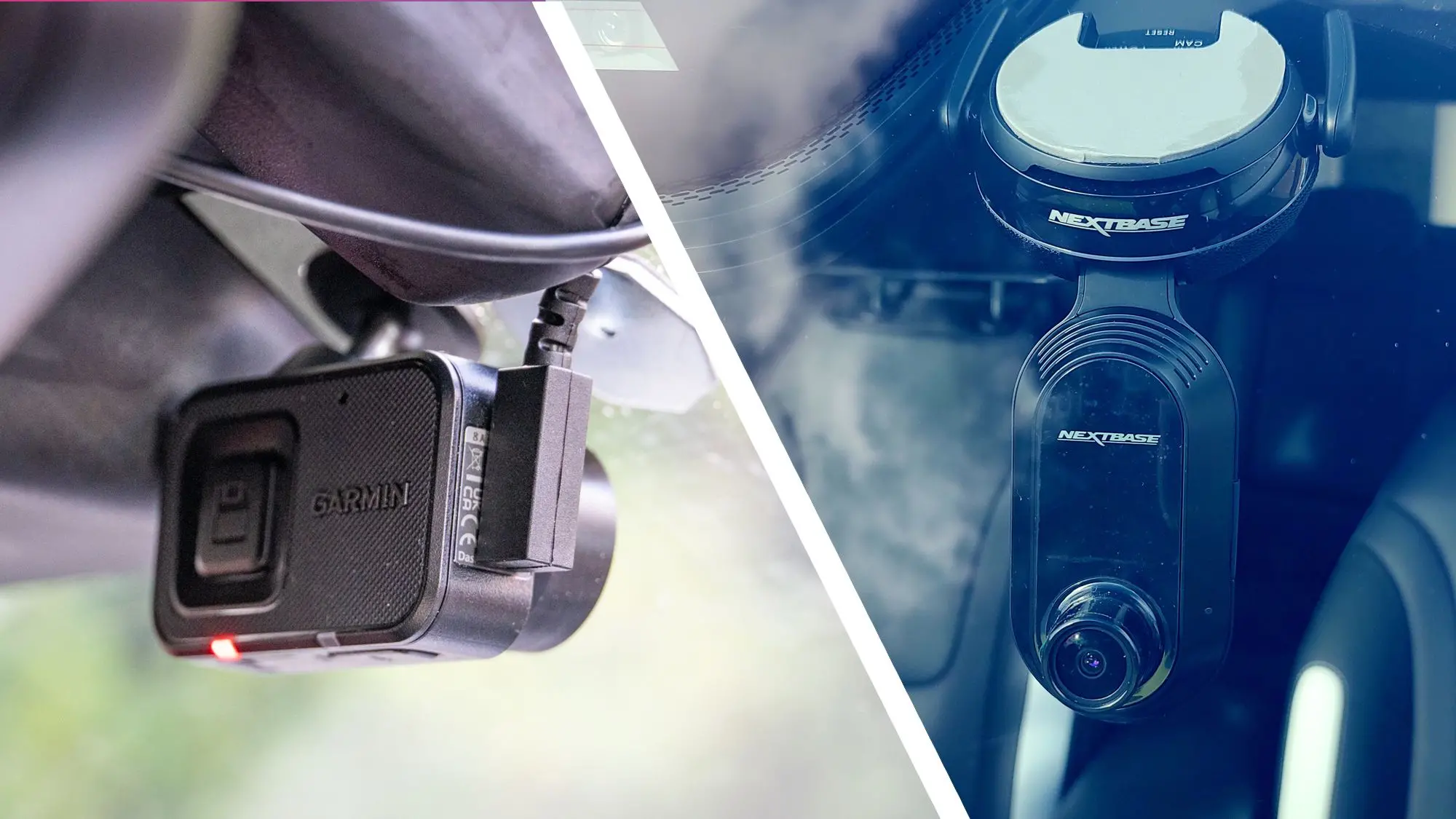
Dash cams have evolved from niche gadgets to essential driving companions. Whether you want to protect yourself against fraudulent claims, capture scenic road trips, or simply monitor your parked vehicle, a good dash cam offers peace of mind. With dozens of models on the market from established brands like Garmin, Nextbase, and 70mai, choosing the right one can be overwhelming. Our team of experts has tested the finest car cameras, evaluating video quality, ease of use, night performance, and additional features. This comprehensive guide will walk you through the best dash cams available today.
Why You Need a Dash Cam
The primary purpose of a dash cam is to provide video evidence in case of accidents. Insurance companies increasingly accept dash cam footage to determine fault, potentially speeding up claims and lowering premiums. Beyond accidents, dash cams can record vandalism, theft, or even unexpected wildlife encounters. Modern models offer features like parking mode, which activates recording when motion or impact is detected while the car is off. GPS tracking logs your speed and location, adding another layer of context to recordings. With the rise of ride-sharing and delivery services, dash cams have become a standard tool for professional drivers as well.
Key Features to Consider
Video Resolution and Quality
The most critical factor is video resolution. Most entry-level dash cams record at 1080p Full HD, but premium models now offer 1440p (2K) or even 4K. Higher resolution captures license plates and road signs more clearly, especially in challenging lighting. However, higher resolution files require more storage space and may reduce frame rate. For most drivers, 1440p provides a good balance of clarity and manageable file sizes. Look for cameras with wide dynamic range (WDR) to handle bright sunlight and deep shadows simultaneously.
Field of View
A wide field of view (FOV) captures more of the road and surrounding environment. Typical dash cams offer between 120 and 170 degrees. While wider FOV is beneficial, extreme angles can cause fisheye distortion, making peripheral details less readable. A FOV of 140 to 160 degrees is generally recommended for a good balance between coverage and clarity.
Night Vision and Low Light Performance
Many accidents happen at night, so low-light performance is crucial. Cameras with larger sensors (e.g., Sony STARVIS sensors) and wide apertures (f/1.8 or f/1.6) excel in dim conditions. Look for models specifically advertised with superior night vision or HDR (High Dynamic Range) to reduce glare from headlights and streetlights.
Storage and Loop Recording
Dash cams continuously record, writing over the oldest footage when the memory card is full (loop recording). Most use microSD cards, and high-end models support cards up to 256GB or more. Some cameras support cloud storage for automatic backup of critical clips. Ensure the camera supports high endurance cards designed for continuous recording, as regular cards may fail quickly.
Parking Mode
Parking mode is a must-have for those who park on the street or in shared lots. It uses motion sensors or impact detection to start recording when something happens near the car. Some advanced models use low-power buffered recording to capture events seconds before the trigger. Hardwiring the dash cam to the car's fuse box is usually required for 24/7 parking monitoring.
GPS and Connectivity
Built-in GPS allows the dash cam to embed speed and location data in the video. This can be crucial for proving your speed at the time of an accident. Wi-Fi and Bluetooth connectivity let you transfer files to your smartphone without removing the SD card. Many manufacturers offer companion apps for viewing, managing, and sharing clips.
Top Dash Cams Tested
Garmin Dash Cam 67W
Garmin is a household name in navigation, and their dash cams reflect that reliability. The Garmin Dash Cam 67W offers a compact design with 1440p resolution and a 180-degree FOV. Its dual-band GPS and Garmin’s proprietary voice control set it apart. Voice commands like “OK Garmin, save video” work well. The camera includes incident detection that automatically saves footage when it senses a collision. Parking mode is available via the optional Garmin Parking Mode Cable. The 67W integrates seamlessly with Garmin’s Drive app, providing a clean interface for video playback and sharing. While it lacks 4K, its video quality is sharp, and its build quality is top-notch.
Nextbase 522GW
Nextbase is one of the most popular dash cam brands in the UK and Europe. The Nextbase 522GW is a 1440p camera with built-in Alexa, GPS, and Bluetooth. Its standout feature is the Click&Go Pro mount, which makes it easy to attach and detach from the windshield. The camera supports an enhanced rear camera module that turns it into a dual-channel system. The 522GW’s video clarity is excellent, and its advanced image stabilization helps reduce shakiness. The MyNextbase Connect app offers quick video transfer and cloud backup options. The parking mode requires an additional hardwire kit, but the overall performance is among the best in its class.
70mai A800S
70mai, a Xiaomi subsidiary, offers great value. The 70mai A800S is a 4K dash cam with an Sony IMX415 sensor and a wide f/1.8 aperture. It captures crisp, detailed footage both day and night. The included GPS module logs speed and route. Its unique feature is a built-in ADAS (Advanced Driver-Assistance Systems) that provides lane departure and forward collision warnings. While not as accurate as dedicated ADAS, it adds value. The A800S supports both front and rear cameras (optional). The parking mode uses buffered recording. The 70mai app is straightforward, though the interface is slightly less polished than Garmin’s or Nextbase’s. At its price point, the A800S delivers 4K clarity that rivals more expensive models.
Ring Car Cam
Amazon-owned Ring brings its smart home expertise to dash cams. The Ring Car Cam is a dual-facing device that captures the road and the car’s interior. It connects via LTE (subscription required) for live viewing and cloud storage. Its unique feature is the ability to talk to passengers or someone trying to break in through a two-way speaker. The camera uses computer vision to detect events like break-ins or suspicious activity. However, it does not continuously record while driving; it only captures events triggered by motion, impact, or siren detection. This makes it more of a security device than a full-time dash cam. The Ring Car Cam is best for those who prioritize security and remote monitoring over traditional continuous recording.
Crosstour CR280
For budget-conscious buyers, the Crosstour CR280 offers impressive features at an attractive price. It is a 4K dash cam with a 170-degree FOV and a Sony sensor. The package includes a rear camera, making it a dual-channel system out of the box. The CR280 supports parking mode with motion detection and loop recording. Its build quality is solid, but the companion app is less refined than premium brands. Video quality in good lighting is excellent for the price, though night performance lags behind Garmin and Nextbase. For under $100, it provides good value.
How to Install a Dash Cam
Installation is straightforward for most dash cams. A typical setup involves mounting the camera to the windshield, routing the power cable along the headliner, and plugging it into the cigarette lighter socket. For a cleaner look, you can hardwire the camera to the car's fuse box using a hardwire kit, which also enables parking mode. Many professional installers can do this for a small fee. Always ensure the camera does not obstruct the driver’s view and is placed behind the rearview mirror.
Legal Considerations
Dash cam laws vary by country and state. In most places, recording on public roads is legal as long as it doesn't violate privacy expectations. However, pointing a camera at another person's property or using audio recording without consent may be restricted. Some regions prohibit dash cams from blocking the windshield view. Always check local regulations before installing. For commercial drivers, compliance with data protection laws is essential.
The Future of Dash Cams
The dash cam industry is moving toward cloud-connected, AI-powered devices. We can expect more models with integrated LTE, real-time alerts, and automatic emergency response. Dual- and triple-channel cameras are becoming standard, covering front, rear, and cabin views. Advanced driver assistance systems will become more sophisticated, possibly integrating with vehicle telematics. As electric and autonomous vehicles become common, dash cams will play a larger role in data collection for safety analysis.
In our tests, Garmin, Nextbase, and 70mai consistently deliver reliable performance across different price points. The best dash cam for you depends on your budget, desired features, and whether you prioritize video quality, cloud connectivity, or advanced safety alerts. Investing in a quality dash cam is an investment in your peace of mind and safety on the road.
Source: TechRadar News