

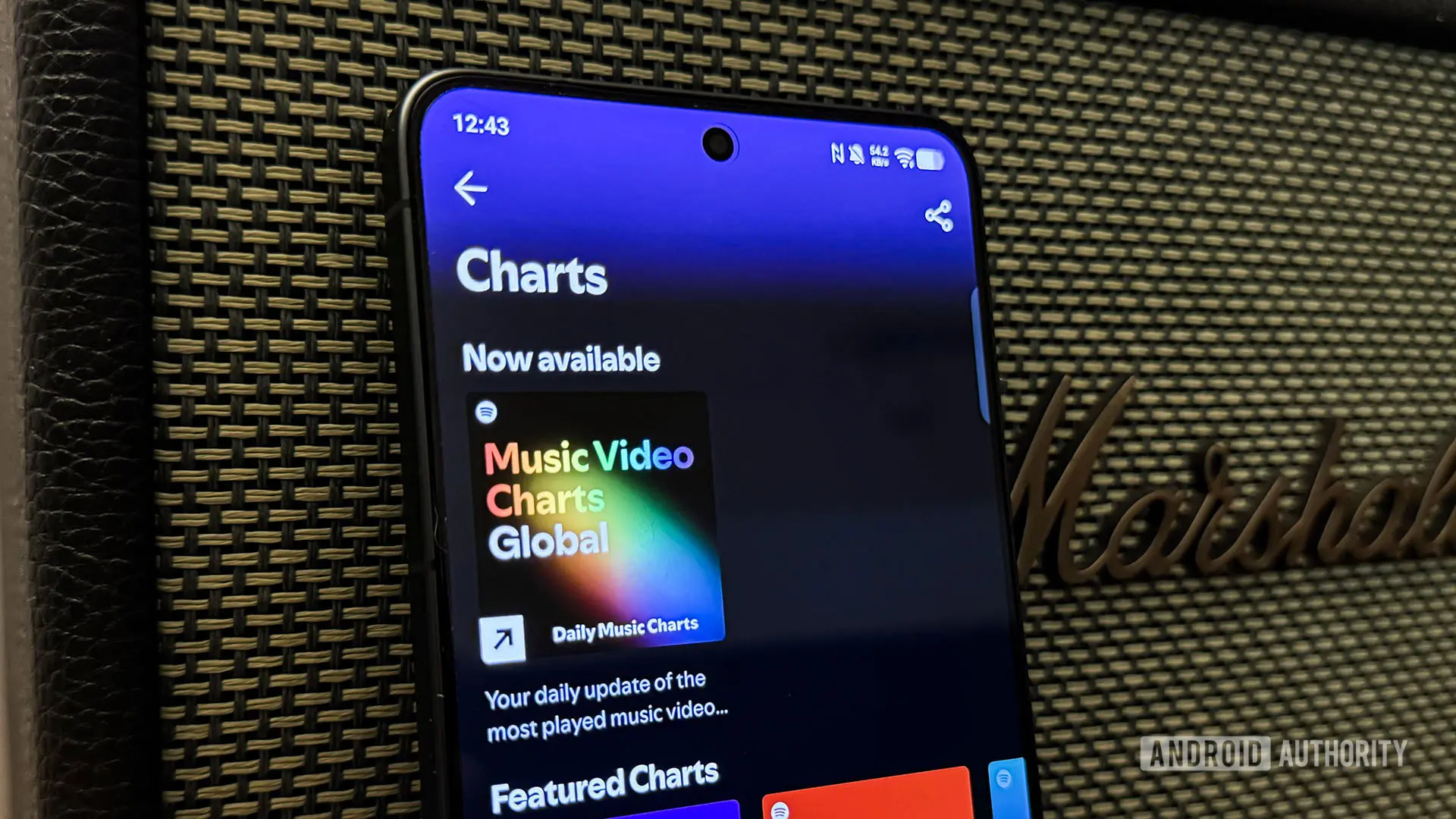
Spotify has taken a decisive step into the music video arena with the launch of its brand-new "Music Video Charts Global" playlist. The move is a clear signal that the streaming giant is serious about competing with YouTube for the attention of music fans who want both audio and visual experiences. The playlist features the top 50 most-streamed music videos on the platform, refreshed daily at 6:00 PM Eastern Time, and will be promoted across Spotify's social media channels with a focus on the top 10 videos each day.
A New Era for Music Videos on Spotify
Spotify first introduced music videos to its premium subscribers in 2024, rolling out the feature globally and eventually bringing it to the United States in late 2025. The initial reception was strong, with users embracing the ability to watch official music videos without leaving the app. Now, the company is doubling down by creating a dedicated chart that highlights the most popular videos. This mirrors the role that MTV once played in the music industry, serving as a central hub for music video discovery. However, Spotify’s approach is data-driven and personalized, leveraging its massive user base and streaming data to surface trending content.
The timing of the launch is strategic. With millions of users already accustomed to watching music videos on YouTube, Spotify is aiming to capture that audience by offering a seamless integration of audio and video within its existing ecosystem. The music video charts provide a direct comparison to YouTube’s trending music videos, but with the advantage of being tailored to Spotify’s listening behavior and the platform's algorithmic recommendations.
How the Music Video Charts Work
The "Music Video Charts Global" playlist is automatically updated every 24 hours. It ranks videos based on total streams from Spotify users worldwide. The chart reflects not only new releases but also catalog videos that continue to gain traction. Spotify will also highlight the top 10 videos on its official social media accounts, giving artists additional exposure. This feature builds on the platform’s earlier experiments with video content, including Canvas (looping visuals) and short-form video clips. The full-length video experience, however, is the central focus of this new initiative.
For users, the playlist is accessible from the home screen and the search tab, making it easy to discover the hottest visual content. Spotify’s algorithm will also suggest videos based on listening history, further integrating video into the overall user experience. This is a deliberate strategy to keep users engaged within Spotify rather than switching to other platforms for video consumption.
Empowering Artists with Direct Uploads
In conjunction with the charts launch, Spotify announced a major simplification of the video upload process. Artists can now upload their music videos directly through Spotify for Artists, eliminating the need to go through a record label or distributor. This feature empowers independent artists to bring their visual work to the platform without intermediaries. Moreover, artists can pitch their videos to Spotify’s editorial team, providing a story about the video’s concept, mood, and visual style. This helps ensure that videos reach the right fans and playlists.
The direct upload feature is a game-changer for the independent music community. Previously, only major labels had the resources to secure video placements on streaming services. Now, any artist with a Spotify for Artists account can submit their video for consideration. The editorial team will review pitches and select videos for inclusion in curated playlists, including the new charts. This opens up opportunities for emerging artists to gain visibility alongside established acts.
Impact on User Behavior and Streaming Numbers
Spotify’s data indicates that music videos have a positive effect on overall streaming behavior. According to internal research, listeners who watch a music video on Spotify are 64% more likely to stream that same song in the following three weeks, and 57% more likely to explore the artist’s wider catalog. This suggests that video content drives deeper engagement and discovery, benefiting both artists and the platform. For Spotify, increased engagement translates to longer session times and higher retention rates, which are critical metrics in the competitive streaming market.
The company has also experimented with early releases of music videos, allowing premium subscribers to view new videos before they appear on other platforms. This tactic is aimed at convincing YouTube loyalists to switch to Spotify for their video needs. The new charts enhance this offering by providing a curated, ever-changing destination for video discovery. Combined with the removal of ads for premium users, Spotify is creating a compelling video experience that rivals dedicated video platforms.
Competitive Landscape and Industry Implications
The move into music video charts positions Spotify against YouTube, which has long been the dominant platform for music video consumption. YouTube’s strength lies in its user-generated content, live performances, and deep catalog of official videos. However, Spotify’s advantage is its music-focused ecosystem, which offers high-quality audio, curated playlists, and seamless integration with podcasts and other audio content. By adding video charts, Spotify is blurring the line between audio and video streaming, potentially reshaping how listeners consume music.
Other streaming services, such as Apple Music and Tidal, also offer music videos, but their market share is smaller. Spotify’s vast user base—over 500 million active users—gives it a significant edge in driving video adoption. The charts could also influence the way artists prioritize video production, knowing that a strong visual component can boost streams across the platform. Additionally, the chart refresh rate of daily updates mirrors the fast pace of social media trends, keeping the content fresh and relevant.
From a broader perspective, this development underscores the ongoing convergence of streaming music and video. As internet speeds improve and mobile data becomes more affordable, video is becoming an integral part of the music experience. Spotify’s investment in video features, including the addition of music podcasts and visual albums, signals a long-term strategy to become a multimedia entertainment hub, much like how MTV transformed from a music television channel into a cultural phenomenon.
Technical and User Experience Enhancements
Behind the scenes, Spotify has optimized its infrastructure to handle video streaming at scale. The platform already supports high-quality video playback up to 1080p on mobile and desktop. The music video charts are integrated into the same interface as audio playlists, with thumbnail images and title information. Users can toggle between audio-only and video mode, and the video continues to play even when navigating away from the current screen. This seamless integration minimizes friction and encourages users to stay within the app.
Spotify has also introduced new ways to share music videos via social media, with direct links to the video on Spotify. This helps artists promote their work beyond the platform and drives new users to Spotify. The company is also experimenting with immersive features like 360-degree videos and spatial audio for select content, though those are still in beta. The charts will serve as a testing ground for these innovations, allowing Spotify to gauge user interest before broader rollout.
For advertisers, the music video charts offer new opportunities for brand integration and sponsorship. While the charts themselves are algorithmically generated, Spotify can monetize the experience through video ads for free-tier users and by offering premium placements to partners. This dual revenue stream—subscriptions and advertising—gives Spotify flexibility in pricing and content strategy.
In summary, the launch of Music Video Charts Global represents a significant milestone in Spotify’s evolution from an audio-only service to a full-fledged visual entertainment platform. By empowering artists with direct uploads, providing daily updated charts, and leveraging data on user behavior, Spotify is positioning itself as a serious contender in the music video space. The coming months will reveal how users and artists respond, but the initial steps suggest a bright future for video on Spotify.
Source: Android Authority News