

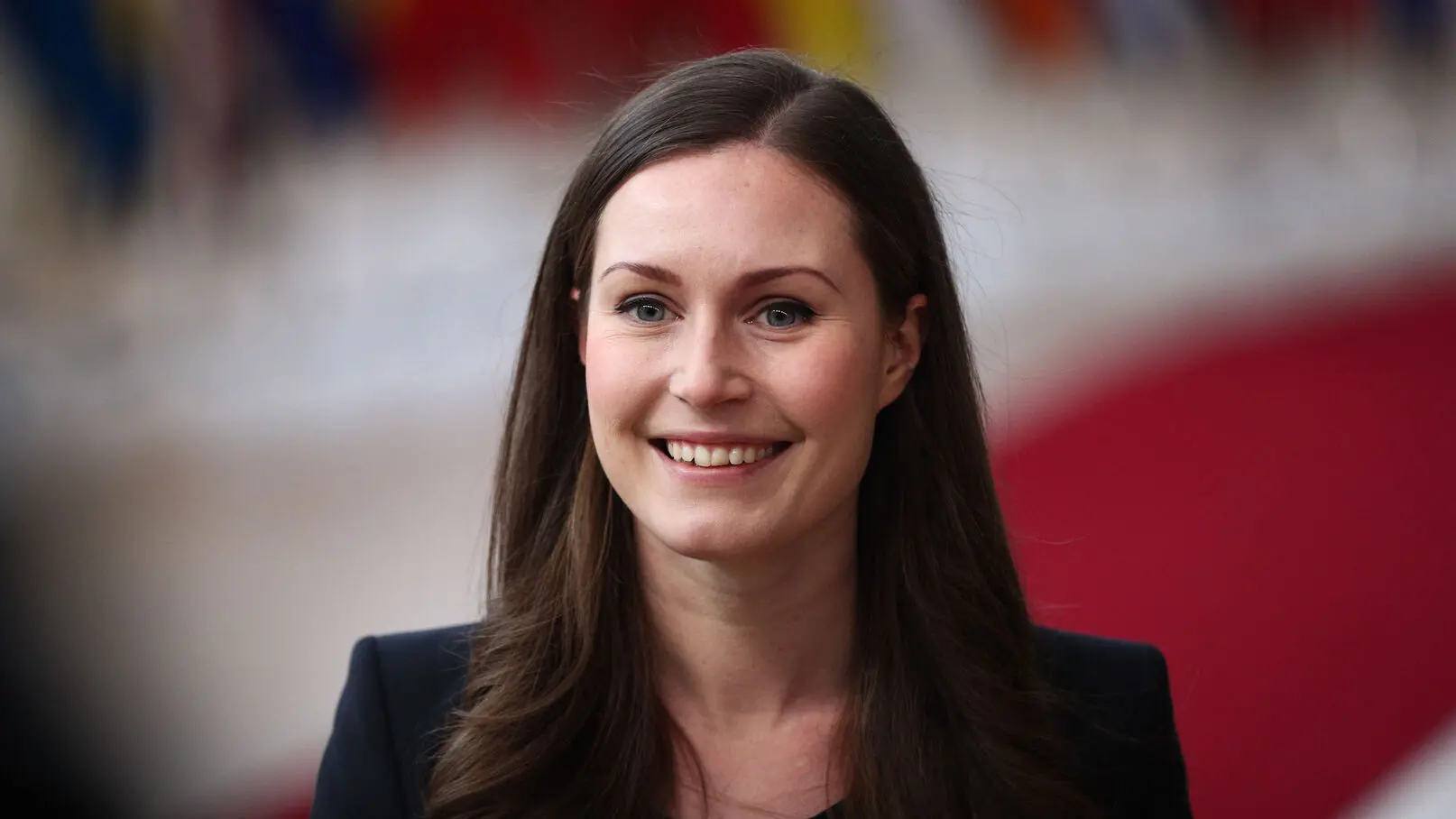
Finnish Prime Minister Sanna Marin has been at the center of a media storm after a video surfaced showing her dancing and drinking with friends at a private party. The footage, which went viral in August 2022, led to accusations that she may have used illegal substances, prompting her to take a voluntary drug test. On August 22, 2022, her office announced that the results were negative, clearing her of any wrongdoing. However, the controversy has raised broader questions about gender equality, privacy, and the expectations placed on female leaders.
Background: Who Is Sanna Marin?
Sanna Marin was born on November 16, 1985, in Helsinki, Finland. She grew up in a rainbow family—raised by her mother and her mother's female partner—and has often spoken about the challenges of her childhood. She entered politics through the Social Democratic Youth and later served as a member of the Finnish Parliament from 2015. In December 2019, at the age of 34, she became the world's youngest sitting prime minister at that time, leading a coalition government of five parties, all headed by women. Her tenure has focused on climate change, social welfare, and economic recovery from the COVID-19 pandemic. Despite her popularity, she has also faced criticism, particularly over her handling of the pandemic and a sex worker scandal involving her minister of economic affairs.
The Party Video Incident
On August 17, 2022, a video was leaked on social media showing Marin at a private residence in Helsinki with friends, including celebrities and influencers. In the clip, she is seen dancing energetically, singing along to pop songs, and drinking alcohol. The video quickly spread across platforms like Twitter and TikTok, drawing both supportive and condemning comments. Critics argued that a prime minister should maintain a more dignified demeanor, especially given the ongoing Russian invasion of Ukraine and Finland's pending NATO membership. Supporters countered that the video showed a normal young woman enjoying herself on a weekend, and that the reaction reflected a double standard for female politicians.
Rumors soon emerged that the party might have involved illegal drugs. Some social media users claimed to see white powder in the footage, though no evidence was provided. To quell the speculation, Marin voluntarily submitted to a drug test on August 19. Her office stated that the test was comprehensive, screening for cocaine, amphetamines, cannabis, opioids, and other substances. The results, released on August 22, were negative. “The drug test of Prime Minister Sanna Marin did not reveal the presence of any drugs,” her office confirmed in a statement.
Public Reaction and Support
While some called for her resignation, many Finns and international observers rallied behind Marin. The hashtag SolidarityWithSanna trended on Twitter, with women sharing their own stories of being judged for letting loose with friends. Prominent figures, including former Finnish Prime Minister Alexander Stubb, defended her right to a private life. A poll conducted by the Finnish newspaper Iltalehti found that 80% of respondents believed the incident did not affect their trust in the government. Marin herself addressed the controversy, saying she was “disappointed” that the video was leaked but emphasizing that she had done nothing illegal. She also expressed regret that the situation had distracted from more important policy matters.
Gender Double Standards in Politics
The scandal sparked a broader debate about the differential treatment of male and female leaders. Several commentators pointed out that male politicians have been photographed drinking or behaving raucously without facing similar scrutiny. For instance, former U.S. President George W. Bush was known for his “cowboy” persona, and Canadian Prime Minister Justin Trudeau has been photographed shirtless and dancing. Marin's case highlighted how women in power are often held to stricter standards of behavior. In an opinion piece for The Guardian, Finnish journalist Kaisa Viitanen wrote: “Men get to be flawed, women must be perfect. This is the unconscious bias that still pervades politics.”
Political Implications for Finland
Finland is currently in the process of joining NATO, a move that was accelerated by Russia's invasion of Ukraine. The Marin government has been praised for its swift response to the security crisis. The party scandal, however, briefly shifted attention away from foreign policy. Opposition leaders demanded an explanation, but the negative drug test effectively ended the immediate crisis. Marin's approval ratings, which had dipped slightly, recovered within weeks. The incident has not derailed her agenda, which includes reforms to health care, education, and climate action. In fact, some analysts believe the event may have humanized her and strengthened her connection with younger voters.
Media Scrutiny and Privacy Rights
The leak of a private video also raised questions about surveillance and consent. The party was held at a friend's home, and the video was apparently posted by another guest. Marin called it a breach of trust. In Finland, as in many countries, the line between public and private life for politicians is increasingly blurred. The case echoes other instances where personal moments of leaders have been weaponized politically, such as the infamous “beergate” incident involving UK Labour leader Keir Starmer. Experts suggest that the ability to separate personal behavior from professional competence is essential for a healthy democracy. “No one should be judged by their social life as long as they perform their duties effectively,” said legal scholar Anna Korhonen.
Expanding on Sanna Marin's Career
To fully understand the context, it's worth diving deeper into Marin's political journey. She joined the Social Democratic Party's youth branch in 2006 and became a city councilor in Tampere in 2012. In 2015, she was elected to the Finnish Parliament. She quickly rose through the ranks, serving as Minister of Transport and Communications from June to December 2019 before becoming prime minister. Her leadership style is often described as accessible and modern; she uses Instagram to share glimpses of her life, including her family, and has been vocal about mental health issues. She gave birth to her first child in 2018 and is one of the few world leaders to take maternity leave while in office. This background helps explain why the party video initially seemed incongruous to some: she is seen as both a dedicated public servant and a relatable millennial.
Analysis of the Drug Test Decision
Marin's decision to take a drug test was unprecedented for a sitting prime minister. Legal experts noted that she was not required to undergo such a test, and that doing so could set a dangerous precedent. If every accusation of impropriety leads to a public test, politicians might feel pressured to prove their innocence repeatedly. On the other hand, supporters argued that it demonstrated transparency and accountability. Marin herself stated that she willing took the test to clear the air. The negative result completely debunked the drug allegations, but the controversy lingered because it highlighted how quickly misinformation can spread online. The entire episode lasted only five days, yet it dominated headlines across Europe.
International Reactions
News of the scandal reached beyond Finland. International media covered the story extensively, often comparing Marin to other young female leaders like New Zealand's Jacinda Ardern. Social media comments ranged from mocking memes to heartfelt solidarity. Some outlets called it a “minor scandal” while others used terms like “embarrassment.” In Finland, the reaction was more measured. The country has a strong culture of trust in institutions, and citizens generally respect privacy. A survey by the University of Helsinki found that most Finns believed the prime minister's private life should not impact her job. This cultural difference may explain why the scandal did not have lasting political consequences.
Lessons Learned and Moving Forward
Nearly a year after the event, the controversy has largely faded from public memory. Marin continues to lead Finland with approval ratings around 60%. She has used the experience to emphasize the importance of combating false rumors and supporting women in leadership. In a recent speech, she said: “We must not let fear of public judgment stop people from being themselves.” The party video incident serves as a case study in how modern politics intersects with viral media, gender bias, and the ongoing struggle for equal treatment. It also underscores the need for clearer boundaries between public duty and personal freedom. As Finland prepares to become a full NATO member, the focus remains on security, economy, and social welfare, not on a single night of dancing.
Source: Closer News