

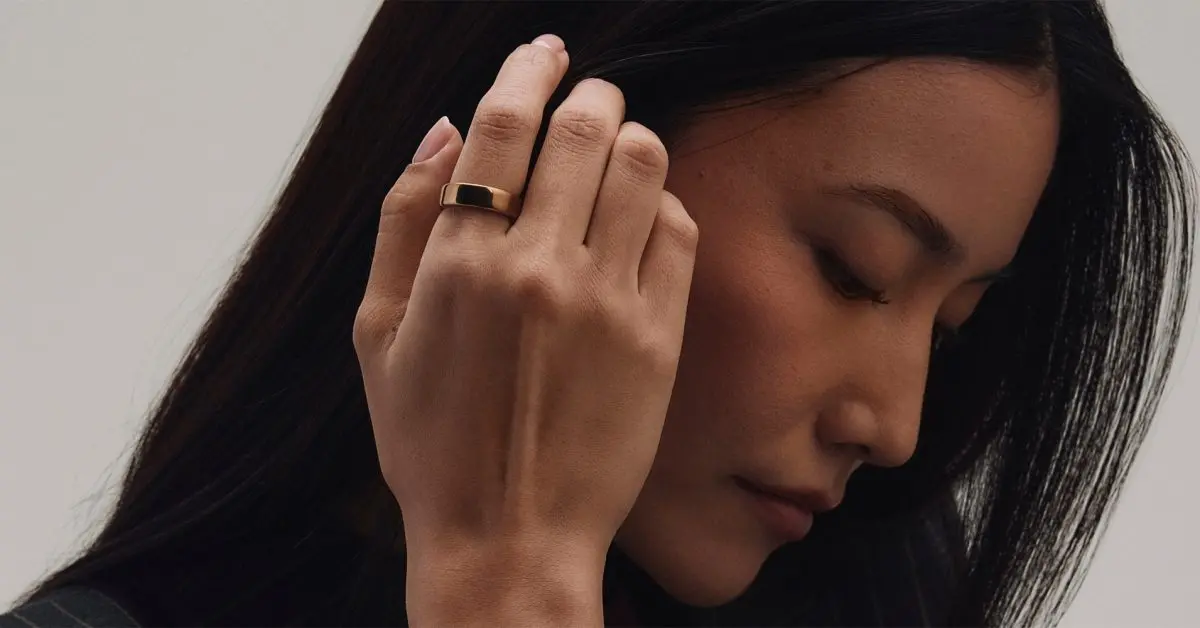
Wearable technology has long been caught between utility and comfort. Wristwatches, especially smartwatches, are bulky, need daily charging, and often shout for attention. Enter the smart ring: a form factor that promises all-day health tracking from a discreet, jewelry-like package. The Oura Ring has led this category since 2015, and with the fifth generation, it reaches a new pinnacle of refinement. I have been wearing the Oura Ring 5 for several weeks, upgrading from the third-generation model. The experience has been eye-opening.
The hardware improvements alone are striking. At just 6.09mm wide and 2.28mm thick, the Oura Ring 5 claims the title of world’s smallest smart ring. The previous generation already felt unobtrusive, but this new version is almost invisible. Made from lightweight, non-allergenic titanium, it weighs between 2 and 2.7 grams depending on the ring size. The sensor bumps, which were previously quite prominent, are now nearly flush with the inner surface. I opted for the Stealth matte black finish, which looks like a simple, modern band rather than a piece of electronics. The glossy silver version remains the most traditional, but the Stealth offers a low-key, almost undercover aesthetic.
Battery life also sees a meaningful upgrade. When new, the Oura Ring 3 needed charging roughly every seven days; after two years of use, that dropped to four or five days. The fifth-generation model, thanks to more efficient sensors and a redesigned battery layout, consistently delivers a full week of use even after a period of heavy tracking. Charging is simple: a small plastic charger cradle that magnetically holds the ring. Leaving it for 45 minutes restores a full charge. This stands in stark contrast to the Apple Watch, which requires nightly charging. For someone who prefers to track sleep without interruption, the Oura Ring’s battery longevity is a game-changer.
But the real secret sauce remains the Oura app, despite the fact that it requires a subscription. I have long been skeptical of subscription models, suffering from fatigue at paying monthly for every utility. However, the Oura app proved its worth within days. Its core feature is the Readiness Score, a single percentage that condenses nine distinct data points: resting heart rate, heart rate variability, body temperature, recovery index, sleep quality, sleep balance, sleep regularity, yesterday’s activity level, and activity balance. The app also calculates separate scores for Sleep, Resilience, and Stress. The Readiness Score, in particular, has astounded me with its accuracy. It nearly always matches my subjective feeling of how well-prepared I am for the day.
What truly sold me was the ring’s ability to detect early signs of illness. On multiple occasions, the app flagged an elevated body temperature and other stress markers a full 24 to 48 hours before I experienced any symptoms. There have been zero false alarms and zero missed detections. One night, after a minor surgical procedure, the ring alerted me to a possible infection more than 12 hours before the doctors or I noticed anything wrong. That early warning allowed me to seek treatment promptly, potentially preventing a more serious complication. This predictive capability is unmatched by any other consumer wearable I have tested.
The Oura Ring also excels in providing personalized recommendations. After analyzing my sleep patterns for a week, the app suggested an ideal wind-down time and a one-hour bedtime window. I followed its advice, and my sleep quality improved noticeably. Similarly, the Resilience score tracked my stress levels during a demanding project, and the timeline of stress matched exactly to my diary entries. The app does not just present data; it interprets it and offers actionable steps.
The market for smart rings is growing. Competitors like the Samsung Galaxy Ring and the Amazfit Helio Ring are emerging, but Oura maintains a lead thanks to its deep data analysis and established user base. The Oura Ring 5 is not a revolutionary leap, but an evolution that perfects the formula. For those who value health tracking and prefer not to wear a smartwatch, this ring is the gold standard.
The Oura Ring 5 is available in six finishes: Stealth matte black, gloss silver, brushed titanium, gold, rose gold, and black titanium. Pricing ranges from $399 to $499, depending on the finish. Oura recommends purchasing the $10 sizing kit to ensure a proper fit, and the kit’s cost is refunded against a ring purchase. Standard ring sizes apply, but wearing the dummy ring for 24 hours helps confirm the correct size. The ring is water-resistant to 100 meters, so it can be worn while swimming or showering. The Oura app is available on iOS and Android, and it syncs automatically via Bluetooth Low Energy. A subscription, called Oura Membership, costs $5.99 per month or $59.99 per year, and unlocks all advanced features, including the detailed readiness analysis, personalized health insights, and the daily readiness score. Without the subscription, the ring still tracks basic activity and sleep, but the core predictive features are locked.
In summary, the Oura Ring 5 represents the pinnacle of smart ring technology as of 2026. Its design is nearly invisible, its battery lasts a week, and its app delivers genuinely useful health insights that go beyond simple step counting. The predictive illness detection is a standout feature, potentially life-saving in some cases. While the subscription may be a hurdle for some, the value it provides justifies the cost for anyone serious about their health. The Oura Ring 5 is not just a wearable; it is a proactive health companion that you will forget you are wearing—until it alerts you to something important.
Source: 9to5Mac News