




























The Hidden Threat: How Parasitic Infections Affect Your Health
Discover the hidden dangers of parasitic infections, their symptoms, long-term effects, and how treatments can help protect your health.
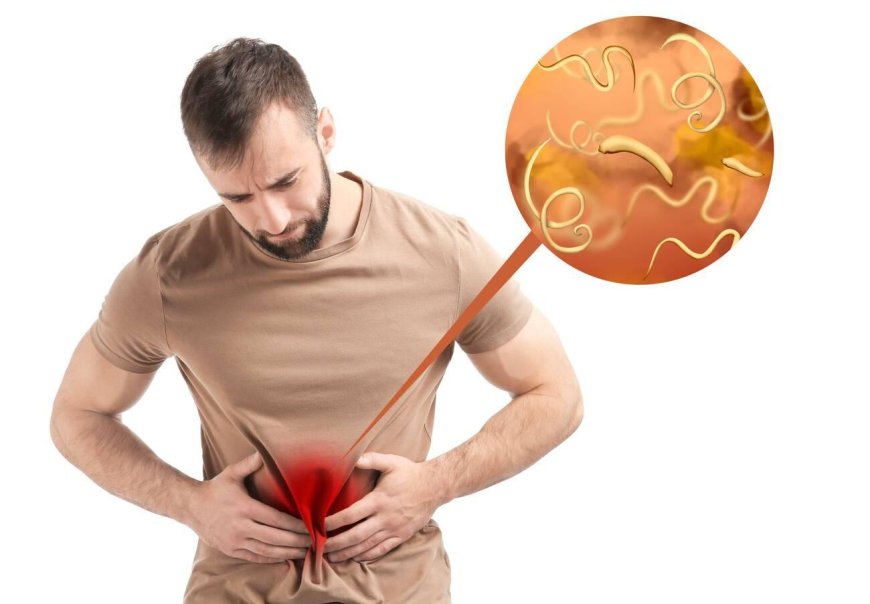
When we think of threats to our health, parasites are often not at the top of the list. Yet, they are a silent and persistent danger that affects millions of people around the world every year. From contaminated food and water to insect bites and poor hygiene, parasites find many ways to enter the human bodyand once theyre inside, the damage can be significant. Parasitic infections range from mild and temporary to severe and life-threatening, depending on the type of parasite and the hosts immune system.
Despite the advancements in modern medicine, parasitic infections are still common in many parts of the world, especially in areas with poor sanitation and limited access to healthcare. However, they are not exclusive to developing countriestravelers, pet owners, and even people in urban areas can also be at risk.
In cases of parasitic infections caused by intestinal worms, such asStrongyloides stercoralis, doctors often prescribeivermectin 12 mg and Ivermectin 6 mg as an effective treatment. This antiparasitic medication helps eliminate the worms and relieves symptoms, offering a quick solution when caught early.
Types of Parasites and How They Affect You
There are three main categories of parasites that affect humans: protozoa, helminths, and ectoparasites.
-
Protozoa These are microscopic, single-celled organisms that can multiply within your body. They often spread through contaminated food or water. A common protozoan infection isGiardiasis, which causes diarrhea, bloating, and fatigue.
-
Helminths These are parasitic worms such as roundworms, tapeworms, and flukes. They typically infect the intestines but can migrate to other parts of the body. Symptoms vary but often include abdominal pain, weight loss, and anemia.
-
Ectoparasites These parasites live on the surface of the body. Examples include lice, ticks, and mites, which can cause skin irritation, allergic reactions, and transmit other diseases.
Symptoms You Shouldnt Ignore
Parasitic infections can mimic other illnesses, making them difficult to diagnose. Many people carry parasites without even realizing it. However, if left untreated, these infections can lead to serious complications. Some common signs of parasitic infections include:
-
Persistent diarrhea or constipation
-
Abdominal cramps or bloating
-
Sudden weight loss
-
Chronic fatigue
-
Itchy skin or rashes
-
Joint and muscle pain
-
Fever or night sweats
In severe cases, parasites can affect the lungs, liver, or brain, leading to more serious issues such as seizures, breathing difficulties, or organ damage.
How Parasitic Infections Spread
Parasites can enter the human body in multiple ways. The most common modes of transmission include:
-
Contaminated water or food Poor sanitation and improper food handling can expose people to parasitic eggs and larvae.
-
Insect bites Mosquitoes, sandflies, and ticks can transmit parasites such as those causing malaria or Lyme disease.
-
Person-to-person contact Some parasites, such as pinworms, can spread through direct contact or by touching contaminated surfaces.
-
Travel Visiting countries with high rates of parasitic infections increases your risk, especially if proper precautions arent taken.
Long-Term Effects on Your Health
If untreated, parasitic infections can cause chronic inflammation and lead to long-termhealthproblems. For instance:
-
Anemia Blood-feeding parasites can deplete iron stores and lead to chronic anemia.
-
Malnutrition Parasites absorb nutrients from the host, which can result in vitamin and mineral deficiencies.
-
Liver and organ damage Some parasites can migrate to vital organs and cause scarring or dysfunction.
-
Immune system suppression Chronic infections can weaken your immune response, making you more vulnerable to other illnesses.
Prevention Is the Best Medicine
While treatments like ivermectin and other antiparasitic drugs are available, prevention remains the best strategy. Heres how you can protect yourself:
-
Practice good hygiene Wash your hands before eating and after using the restroom.
-
Drink clean water Avoid drinking tap or untreated water, especially in developing countries.
-
Cook food thoroughly Undercooked meat and fish are common sources of parasites.
-
Protect yourself from insect bites Use insect repellents and wear protective clothing when in areas with known risks.
-
Keep pets dewormed Pets can carry parasites that are transferable to humans.
Final Thoughts
Parasitic infections may be invisible, but their impact on your health can be significant. From digestive issues to chronic fatigue and even organ damage, parasites can slowly erode your well-being if left unchecked. Early diagnosis and proper treatment, including medications like ivermectin 12 mg for specific infections, can clear up the problem and prevent serious complications. Staying informed and practising prevention are your best defences against this hidden threat.