



























Preventing Fluid Leaks with Mechanical Seals What You Need to Know
Mechanical seals prevent fluid leaks in rotating equipment by creating a reliable barrier, ensuring efficient and safe machine operation.

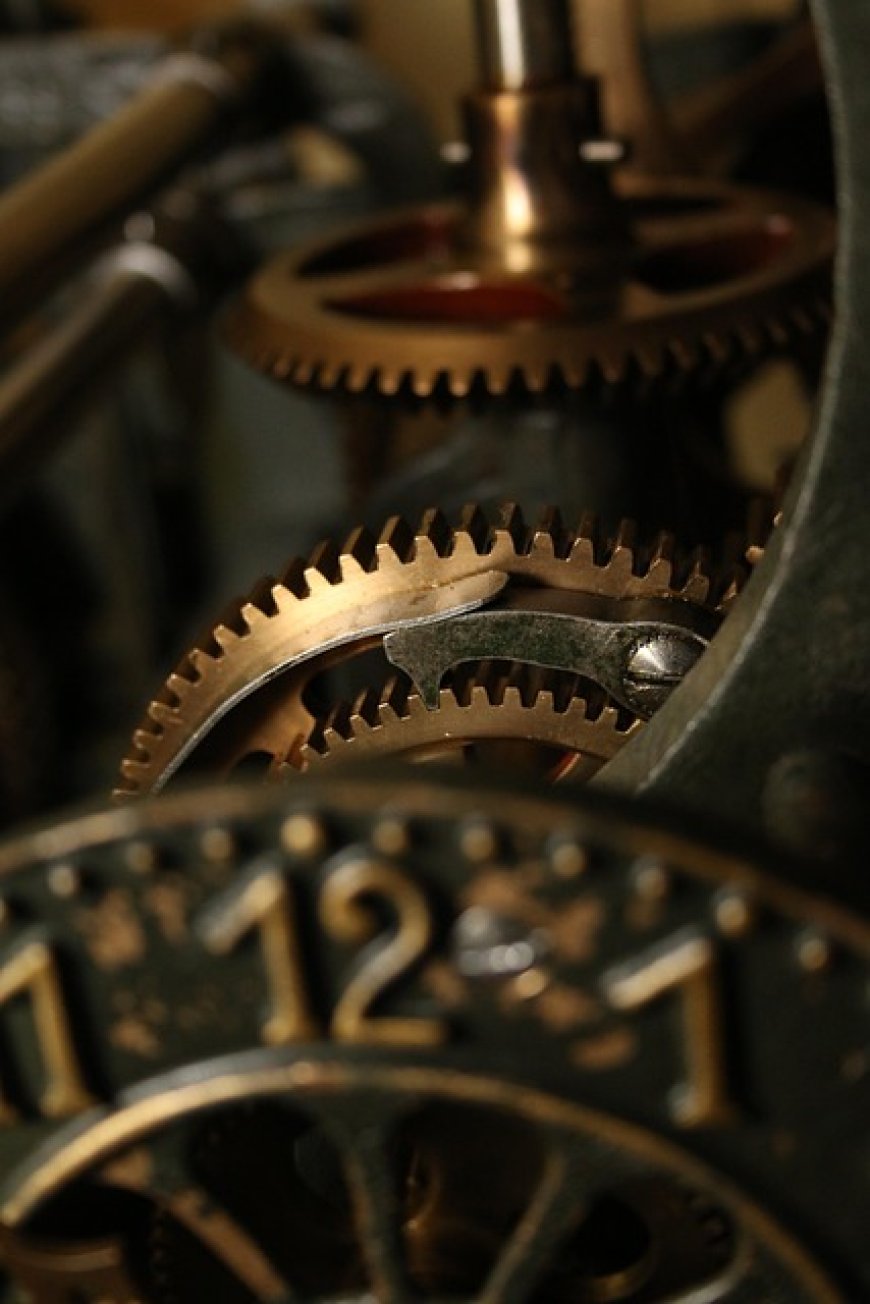
Mechanical seal are vital components used in many types of rotating equipment to prevent fluid leakage and maintain system integrity. Whether in pumps, compressors, mixers, or marine engines, mechanical seals ensure smooth operation by sealing the gap between stationary and rotating parts. This blog explores the function, types, applications, and maintenance of mechanical seals to help you better understand their importance in industrial and marine environments.
What Is a Mechanical Seal?
A mechanical seal is a device that prevents fluidssuch as water, oil, or chemicalsfrom leaking out where a rotating shaft passes through a stationary housing. Unlike traditional packing seals, which rely on friction and require constant lubrication, mechanical seals use precise, engineered sealing surfaces to create a tight, durable barrier.
How Mechanical Seals Work
At the core of a mechanical seal are two extremely flat and polished sealing faces: one mounted on the rotating shaft and the other fixed to the stationary housing. These faces are pressed together by springs or other means to maintain contact. A thin film of the pumped fluid typically lubricates the seal faces, minimizing wear and heat generation.
Because the faces are so precisely matched and smooth, they prevent leakage while allowing the shaft to rotate freely. Additional secondary seals like O-rings or gaskets prevent fluid from escaping around the seal faces.
Types of Mechanical Seals
Mechanical seals come in many designs tailored to specific applications:
-
Single Mechanical Seals: The most common type, consisting of one set of sealing faces.
-
Double Mechanical Seals: Use two sets of sealing faces with a barrier fluid in between for enhanced sealing, often used with hazardous or toxic fluids.
-
Cartridge Seals: Pre-assembled units that simplify installation and reduce errors.
-
Balanced Seals: Designed to reduce the sealing face load, suitable for high-pressure applications.
-
Non-Contact Seals: Use a thin film of fluid to separate the faces, reducing wear for certain applications.
Applications of Mechanical Seals
Mechanical seals are used in a wide range of industries and equipment, including:
-
Pumps: Water pumps, chemical pumps, fuel pumps
-
Marine Engines: Sealing shafts and coolant passages
-
Compressors and Turbines: Preventing gas leaks
-
Chemical Processing: Handling corrosive or toxic fluids
-
Food and Pharmaceutical Industries: Maintaining hygienic seals
Their versatility and reliability make them indispensable wherever rotating shafts penetrate fluid-containing housings.
Common Mechanical Seal Problems
Despite their robustness, mechanical seals can fail due to:
-
Improper Installation: Leading to misalignment or damage
-
Wear and Tear: Seal faces degrade over time from friction and contamination
-
Thermal Shock: Rapid temperature changes can warp components
-
Chemical Attack: Incompatible fluids can damage seal materials
-
Dry Running: Operating without sufficient lubrication causes overheating
Early detection of seal wear or leakage is critical to prevent costly downtime or equipment damage.
Maintenance and Best Practices
To maximize mechanical seal life:
-
Follow manufacturer installation guidelines closely.
-
Use clean fluids free from abrasive particles.
-
Monitor seal temperature and leakage regularly.
-
Maintain proper shaft alignment.
-
Replace seals proactively at signs of wear or leakage.
Many modern mechanical seals come with sensors or monitoring systems to provide real-time status updates.
Conclusion
Mechanical seals play a crucial role in maintaining the reliability and safety of rotating equipment across industries. By providing a reliable barrier against fluid leakage, they help improve operational efficiency, reduce maintenance costs, and prevent environmental hazards.