





























How To Avoid Painful Mistakes On Your First Ghorepani Trek
First time on the Ghorepani Poon Hill trek? Avoid beginner mistakes like poor packing, late starts, and altitude issues. Get tips for a safer, smoother, and more rewarding trek in Nepal.

How To Avoid Painful Mistakes On Your First Ghorepani Trek
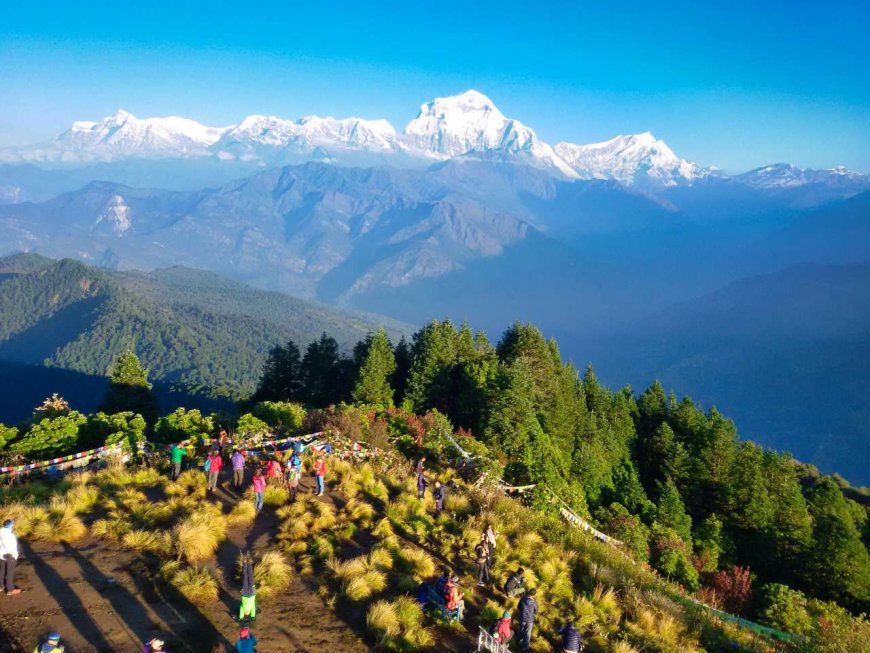
The Ghorepani Poon Hill trek is a favorite for beginners in Nepal, known for its awesome views of the Annapurna and Dhaulagiri mountains. But first-time trekkers often make some simple mistakes that can turn a fun trip into a tough one. Getting ready and knowing what to expect can help you enjoy the trek.
One big mistake is underestimating how challenging it can be. Even though this trek is shorter and easier than others, youll still be hiking for hours each day on steep and uneven paths. To prepare, make sure to do regular cardio and practice hiking before you go. Building up your leg strength and stamina will help you avoid fatigue and knee pain.
Altitude is another thing to watch out for. Ghorepani is about 2,800 meters high, and some people might feel a bit of altitude sickness. Its important to take your time going up, stay hydrated, and pay attention to how you feel. If you start feeling dizzy or sick, take those signs seriously.
Packing the right gear is key. A lot of first-timers pack heavy or unsuitable clothes, which can be uncomfortable. Youll want layered clothing, waterproof jackets, sturdy boots, and a warm sleeping bag. Also, dont forget things like a headlamp, sunscreen, and a reusable water bottle.
Another common mistake is starting hikes too late, which can lead to exhaustion or hiking in the dark. Try to start early to make the most of the good weather and daylight. Plus, remember to bring enough cash since there are no ATMs on the trail.
Lastly, be sure to respect local customs and the environment. Being polite, supporting local tea houses, and keeping the area clean will make your trek enjoyable for both you and the locals. With the right planning and respect, your first Ghorepani trek will be a trip to remember for all the good reasons.
Misjudging the Treks Difficulty Level
A lot of first-time trekkers think the Ghorepani Poon Hill trek will be a walk in the park because it's so popular. But it's not just a simple stroll; there are steep climbs and uneven paths, and youll be walking for hours every day. If you dont have realistic expectations, you might find yourself really tired or even unable to finish. It's important to pace yourself and know that even beginner-friendly treks need some stamina. You also need to mentally prepare since youll be putting in a lot of physical effort over several days. Taking the trek seriously by training in advance and planning rest days can help avoid exhaustion and injuries. Being aware of how tough it can be will help you have a safer and more enjoyable time while soaking in those amazing mountain views.
Ignoring Altitude Sickness Symptoms
Altitude sickness can hit anyone trekking over 2,500 meters, and Ghorepani is just about 2,800 meters up. If you start feeling things like headaches, dizziness, or nausea, dont ignore them. Some trekkers try to push through these symptoms, which can be risky. The best way to keep altitude sickness at bay is to go up slowly and stay hydrated. If you feel any symptoms, take a break, skip the booze, and consider descending if things get worse. Some medications like Diamox can help, but theyre not a substitute for letting your body acclimate. Its really important to listen to your body and not compare yourself to others. Taking altitude sickness seriously can help you avoid serious problems and make your trek more enjoyable.
Packing Inappropriate Clothing and Gear
Bringing the wrong clothes and gear can turn a great trek into a tough one. Heavy cotton clothes, non-waterproof jackets, and cheap boots can cause real discomfort. Youll want to pack lightweight, moisture-wicking clothing, a waterproof jacket, solid trekking boots, and warm things like gloves and hats. Dont forget small but important stuff like a headlamp, sunscreen, and a water bottle; forgetting these can make things harder. Overpacking bulky gear weighs you down, and underpacking can leave you cold or wet. Trying out your gear before you head out and making sure your pack suits the season can keep you comfortable and safe.
Neglecting Physical Preparation
The Ghorepani trek needs stamina, strong legs, and good fitness, and you cant just get those overnight. Many newcomers skip getting in shape beforehand, thinking the trail will do the work for them. Without proper prep, you might deal with muscle soreness, fatigue, or even injuries. Start including things like hiking, stair climbing, jogging, or cycling weeks before your trek. Strength training and stretching can also help you avoid injuries. Getting your body ready to carry a loaded backpack uphill will make the trek a lot easier and more enjoyable. Good preparation can boost your confidence and let you enjoy the beautiful scenery without feeling worn out.
Not Starting Early to Avoid Crowds
Starting your trek too late can ruin your experience. If you wait too long, youll face crowded trails and busy tea houses. Hitting the trail early means youll enjoy clearer skies, cooler temperatures, and quieter surroundings. Starting around 7:00 a.m. lets you hike at a nice pace with plenty of daylight, so you wont feel rushed. Plus, arriving early at tea houses gives you better room choices and a chance to relax. The weather often turns unpredictable in the afternoon, with rain or fog that can block the views. So, starting early really helps with safety, comfort, and enjoying the peace of your trek.
Forgetting Required Permits and Documents
Every trekker on the Ghorepani Poon Hill route has to have the Annapurna Conservation Area Permit (ACAP) and the TIMS card. Forgetting these can lead to fines, delays, or getting turned away at checkpoints. A common misconception is that you can sort permits out on the trail, but its way better to get them ahead of time in Kathmandu or Pokhara. Always keep your passport and copies of your permits on you while trekking, as officials will check regularly. Having the right documents supports conservation and the local communities, so dont skip this vital part of getting ready for your trek.
Carrying Insufficient Water and Snacks
Staying hydrated and fueled up is crucial while trekking, but many forget how much water and food they need. Clean water sources can be hard to find, and buying bottled water can get pricey at high altitudes. Bring a reusable water bottle and a way to purify your water, like tablets or filters. High-energy snacks like nuts, dried fruits, and energy bars are great for keeping up your energy on long hiking days. Running low on water or snacks can leave you feeling drained, lightheaded, or even shaky, which could ruin your trekking experience. So, be smart about your supplies to stay energized and hydrated.
Overloading Your Backpack
Carrying too much can wear you out. A heavy backpack for hours each day puts a strain on your knees, back, and shoulders. Aim for a pack thats under 10-12 kilograms and only bring the essentials like clothing layers, toiletries, permits, and some snacks. Avoid packing bulky or duplicate items, and use compression bags to save space. A lighter backpack makes trekking easier and safer since it improves your balance and keeps you from getting too tired. Remember, you have to carry everything uphillso pack wisely to stay comfortable and keep your energy up.
Disrespecting Local Customs and Environment
Ghorepani is home to communities with rich cultures and traditions. Disrespecting their customslike dressing inappropriately, taking photos without asking, or ignoring local normscan hurt relationships and your overall experience. Always greet people with Namaste, dress modestly, and ask permission before snapping pics of locals or sacred sites. Dispose of waste properly and cut down on plastic to help protect the delicate environment. Supporting local tea houses by buying meals and lodging is a great way to promote sustainable tourism. Respecting both culture and nature can make your trek more rewarding and help out the communities you visit.
Skipping Weather and Trail Condition Checks
Mountain weather can change quickly, so ignoring forecasts or trail conditions can put trekkers at risk. The best times for the Ghorepani trek are spring and autumn, but sudden rain, fog, or landslides can happen. Before you head out each day, check the local weather and ask guides or tea house owners about the trails. Being aware of possible closures or tricky conditions lets you change your plans if needed. Having proper rain gear and waterproof bags protects your stuff. Being prepared for shifting weather ensures you stay comfortable and safe while trekking through the ever-changing Himalayan landscape.
Which trek is the hardest in Nepal?
Some of the toughest treks in Nepal include the Kanchenjunga Trek and the Upper Dolpo Trek. These routes are really challenging because they are remote, at high altitudes, and have difficult terrain. The Everest Base Camp trek via the Three Passes is also known for being hard, crossing multiple passes above 5,000 meters. These treks need you to be fit, have experience with high-altitude hiking, and be mentally strong. The weather can be unpredictable, and planning is key, so they're best for those who are well-prepared.
What should you do and avoid when trekking?
When youre trekking, its important to get ready physically and adjust to the altitude to steer clear of altitude sickness. Show respect for local culture and the environment; always ask before taking photos, dress appropriately, and dont disturb local customs. Bring enough water, snacks, and cash since places to buy them may be limited along the way. Starting your hike early can help you dodge crowds and bad weather. On the flip side, don't ignore signs of altitude sickness or overexert yourself, as that can be risky. Also, avoid littering or harming the natural landscape, and make sure you have the right permits before hitting the trail.
What are some downsides to trekking?
Even though trekking can be an amazing experience, it can have negative effects if not done responsibly. Littering, trail damage, and waste buildup can hurt fragile mountain ecosystems. Too many tourists can disrupt local cultures, which might lead to a loss of their traditional ways. Hiking at high altitudes also carries risks like altitude sickness, injuries, and fatigue. Economically, the money from trekking doesnt always help local communities evenly, which can lead to inequalities. To minimize these impacts, its important to trek responsibly by reducing waste, respecting local culture, and supporting local businesses.
Whats the difficulty of the Ghorepani Poon Hill trek?
The Poon Hill Ghorepani trek is usually considered moderate. It's a good choice for beginners and folks with average fitness since the paths are clear and you dont need any advanced climbing skills. That said, youll be hiking for several days on steep stone steps and gaining quite a bit of altitude, starting from about 1,070 meters and reaching over 3,000 meters at Poon Hill. While it's doable, it can get physically tough, especially if you're not used to long uphill walks. Getting fit and pacing yourself will help you enjoy the trek more.