





























Building a Strong Musical Foundation with Acoustic Guitar
Building a strong musical foundation with the acoustic guitar is more than just learning an instrument

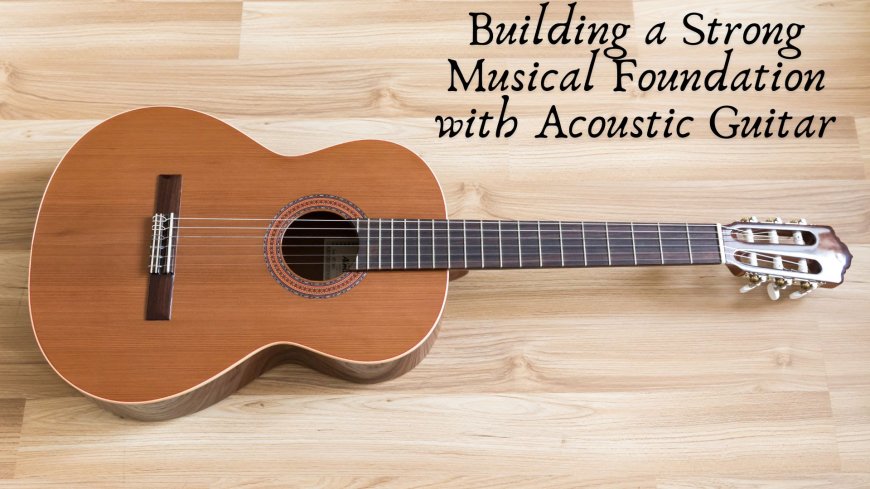
Whether you're an aspiring musician or someone looking to explore the world of music for personal enrichment, the acoustic guitar is one of the best instruments to start with. Known for its rich sound, portability, and versatility, the acoustic guitar provides the ideal platform for learning the core elements of music. From basic finger placement to understanding rhythm and melody, the guitar acts as a comprehensive tool for building a solid musical foundation.
Why the Acoustic Guitar is Ideal for Beginners
The acoustic guitar is often recommended as the starting point for new musicians for several key reasons:
-
Simplicity and Accessibility: Unlike electric guitars that require amplifiers and additional equipment, an acoustic guitar can be played anywhere. This makes it a highly accessible instrument for spontaneous practice and creativity.
-
Affordability: Entry-level acoustic guitars are generally more affordable than other instruments, making them an economical choice for beginners.
-
Self-Sufficiency: You dont need a band or accompaniment to enjoy playing the acoustic guitar. It is a self-contained instrument, ideal for solo performance and songwriting.
-
Portability: Lightweight and easy to carry, the acoustic guitar can travel with you, encouraging consistent practice and exploration.
Fundamental Skills Developed Through Acoustic Guitar
Learning to play the acoustic guitar helps develop a variety of essential musical skills that form the backbone of musicality:
Finger Dexterity and Strength
As you practice chords, scales, and fingerpicking patterns, you build strength and flexibility in your hands. This not only improves your guitar playing but also enhances your ability to transition to other string instruments in the future.
Rhythm and Timing
Strumming and fingerpicking require a strong sense of timing. Beginners learn to count beats, understand measures, and stay in temposkills that are critical in all areas of music performance and composition.
Chord Progressions and Harmony
The guitars layout makes it easy to visualize and play chords, helping students grasp harmonic relationships and chord progressions. These form the basis for songwriting, improvisation, and music theory understanding.
Ear Training
Regular practice on an acoustic guitar sharpens your ear for pitch, tonality, and harmony. Identifying major vs. minor chords, tuning by ear, and detecting subtle changes in sound quality are all part of this auditory training.
Music Theory in Practice
From learning scales and chord construction to applying theory in real songs, the acoustic guitar helps you understand abstract concepts in a hands-on way. Theory becomes more accessible and easier to retain when applied directly through an instrument.
Building Good Habits from the Start
Developing a strong musical foundation isnt just about what you learnits also about how you learn. The acoustic guitar fosters several positive habits that will serve you throughout your musical journey:
-
Consistent Practice: The simplicity and accessibility of the guitar make it easy to incorporate regular practice into your daily life.
-
Focus on Technique: Without the embellishments of effects or distortion, your tone on an acoustic guitar depends entirely on technique, encouraging precision and clean playing.
-
Emphasis on Expression: Acoustic playing often highlights dynamics and emotional expression, teaching you to connect more deeply with your instrument and your audience.
Expanding Your Skills Over Time
Once youve built your foundation, the acoustic guitar continues to offer new challenges and areas for growth:
-
Advanced Fingerstyle Techniques: Learn percussive fingerstyle, classical pieces, and intricate arrangements that push your limits.
-
Songwriting and Composition: Use your chord and scale knowledge to create original music, experimenting with lyrics and structure.
-
Performance Skills: Gain confidence by performing solo or with others, developing stage presence and audience interaction.
-
Genre Exploration: From folk and blues to rock and classical, the acoustic guitar provides the flexibility to explore multiple styles and cultural expressions.
Final Thoughts
Building a strong musical foundation with the acoustic guitar is more than just learning an instrumentits a gateway to musical fluency, creativity, and lifelong enjoyment. Whether you pursue music professionally or as a passionate hobby, the skills and experiences gained from the acoustic guitar will stay with you forever. Start simple, stay consistent, and let the journey of music unfold one string at a time.