

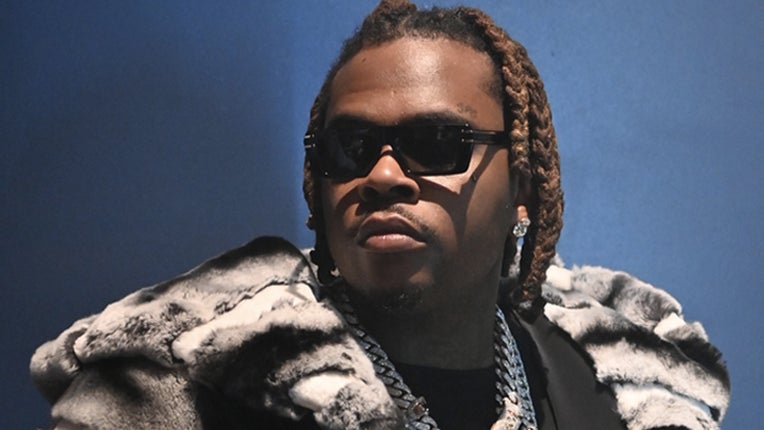
Atlanta rapper Gunna, born Sergio Kitchens, was released from prison on December 14, 2022, after pleading guilty to one count of conspiracy to violate the Racketeer Influenced and Corrupt Organizations (RICO) Act. The plea deal, negotiated with prosecutors, initially called for a five-year prison sentence, but with credit for time served and four years suspended, Gunna was immediately freed. As part of the agreement, he must also complete 500 hours of community service and remain on probation.
The charges stem from a sweeping 2022 indictment that targeted Young Thug’s YSL Records label, which prosecutors alleged operated as a criminal street gang. Gunna, a longtime collaborator and label affiliate, was arrested alongside Young Thug (Jeffery Lamar Williams) in May 2022. The case, which has drawn national attention, is one of the most high-profile RICO prosecutions in the music industry, echoing the tactics used against mafia organizations.
Background on Gunna and YSL
Gunna rose to prominence in the late 2010s as part of the Atlanta rap scene. His melodic delivery and collaboration with Young Thug on songs like “Hot” and “Drip Too Hard” propelled him to mainstream success. He released two platinum albums, Drip or Drown 2 (2019) and Wunna (2020), and earned Grammy nominations. YSL Records, founded by Young Thug, served as his launchpad. However, the label’s image became clouded by allegations that it was more than a music enterprise.
Prosecutors claimed YSL was a front for the “Young Slime Life” gang, which they argued was responsible for multiple violent crimes, including murder, armed robbery, and drug trafficking. The 56-count indictment named 28 individuals, including Gunna, Young Thug, and other associates. Gunna faced only the RICO conspiracy charge, while Young Thug remains in jail on multiple counts.
The Plea Deal and Its Controversy
Gunna’s plea deal, known as an Alford plea in some states but here a standard guilty plea, allowed him to maintain innocence while acknowledging that prosecutors had enough evidence to convict. In a statement released through WSB-TV, Gunna insisted he did not cooperate with authorities: “While I have agreed to always be truthful, I want to make it perfectly clear that I have NOT made any statements, I have NOT been interviewed, I have NOT cooperated, I have NOT agreed to testify or be a witness for or against any party in this case and I have absolutely NO intention of being involved in the trial process in any way.”
Despite this denial, a video from the court hearing circulated showing Gunna acknowledging that YSL members committed gang-related crimes. In the footage, he stated, “Yes, sir” when asked if he knew that members of YSL had engaged in violent acts. Although he did not name specific individuals, many fans and observers interpreted this as an implicit admission that the label functioned as a gang. Online backlash was swift, with some accusing Gunna of “snitching” on affiliates, particularly Young Thug, who has consistently denied YSL’s gang involvement.
Legal and Cultural Ramifications
The YSL RICO case has broader implications for the hip-hop industry. It tests the boundaries of how prosecutors can use lyrics and social media posts as evidence of criminal activity. Young Thug’s legal team has argued that the state’s use of his song lyrics violates free speech. The trial, set to begin on January 9, 2023, is expected to be lengthy and closely watched.
Gunna’s release does not necessarily shield him from future legal issues. Conditions of his probation include no contact with gang members or known felons, which could complicate his relationship with Young Thug and others. Additionally, his public image has taken a hit. On social media, debates rage over whether he made the right ethical choice. Some argue that taking a plea deal is a pragmatic move to avoid a potentially lengthy sentence, while others see it as a betrayal of loyalty.
Historically, RICO cases have been used to dismantle organized crime, but in recent years they have been applied to street gangs and even protest groups. The YSL case is unique because it blurs the line between a music label and a criminal enterprise. Gunna’s plea may have provided prosecutors with leverage, but it also raises questions about the fairness of targeting entire cultural movements under racketeering laws.
Career Impact and Future Prospects
Gunna’s career was on an upward trajectory before the arrest. He had headlined tours, collaborated with major artists like Travis Scott and Lil Baby, and built a loyal fan base. His incarceration, though relatively short, inevitably disrupted his momentum. While in jail, he released no new music, but his existing catalog continued to stream. Upon release, he faces the challenge of rebuilding trust with fans and industry partners.
Some believe that the controversy could harm his commercial potential, particularly in a genre that values authenticity and street credibility. Others point out that similar scandals have not permanently derailed careers of other rappers like 21 Savage or Meek Mill, who faced legal troubles and later returned to prominence. Gunna may need to pivot his image or lean into the narrative of being a victim of overreach.
Financially, Gunna’s plea deal requires him to complete community service, but he retains the ability to record and perform, assuming his probation does not impose restrictions. His legal fees have likely been substantial, but he still holds valuable assets in music royalties and endorsements.
Public Reaction and Social Media Discourse
Social media erupted after news of Gunna’s release. Trending hashtags included FreeGunna and GunnaIsARat. Memes compared him to other rappers who were perceived as informants, such as Tekashi69. The discourse highlighted a deep cultural divide: some saw his plea as a rational decision to avoid decades in prison, while others argued that he should have stood trial to protect the collective.
Notably, Young Thug’s mother reportedly expressed disappointment, and some YSL affiliates unfollowed Gunna on social media. However, Gunna’s family released a statement expressing gratitude for his release and asking for privacy. The rapper himself has not given interviews since leaving jail, but his team hinted at new music in the works.
The case also sparked discussions about the prevalence of RICO charges in the music industry. Lawyers and commentators pointed out that the law was designed for the mafia, not for young artists. Advocacy groups have called for reform, arguing that such prosecutions disproportionately affect Black communities and stifle creative expression.
Next Steps in the YSL Trial
The YSL trial proper begins on January 9, 2023, in Fulton County Superior Court. Young Thug remains the primary defendant, along with several other co-defendants. Gunna’s name will likely be mentioned, but since he is not a witness or party to the trial, his role will be limited. However, his plea could influence how other defendants view their options—some may follow his lead and negotiate, while others may hold out.
Prosecutors have built their case on a mountain of evidence, including social media posts, lyrics, and testimonies from former associates. Defense attorneys have filed motions to suppress evidence, citing First Amendment protections. The trial is expected to last several months and will set precedents for similar cases.
Gunna’s release, while a personal victory, does not close the chapter on YSL’s legal saga. The outcome of the trial will resonate across the hip-hop world and potentially reshape how labels operate. For now, Gunna is free, but he remains under scrutiny from both the legal system and the court of public opinion.
Source: Konbini - Musique, cinéma, sport, food, news : le meilleur de la pop culture News